Natural Tooth Preservation & Certified MINISH Dental Care in Magok, Seoul

Conservative Dentistry & Endodontics · Needs Clinic Confirmation
Single-Visit Root Canal Treatment
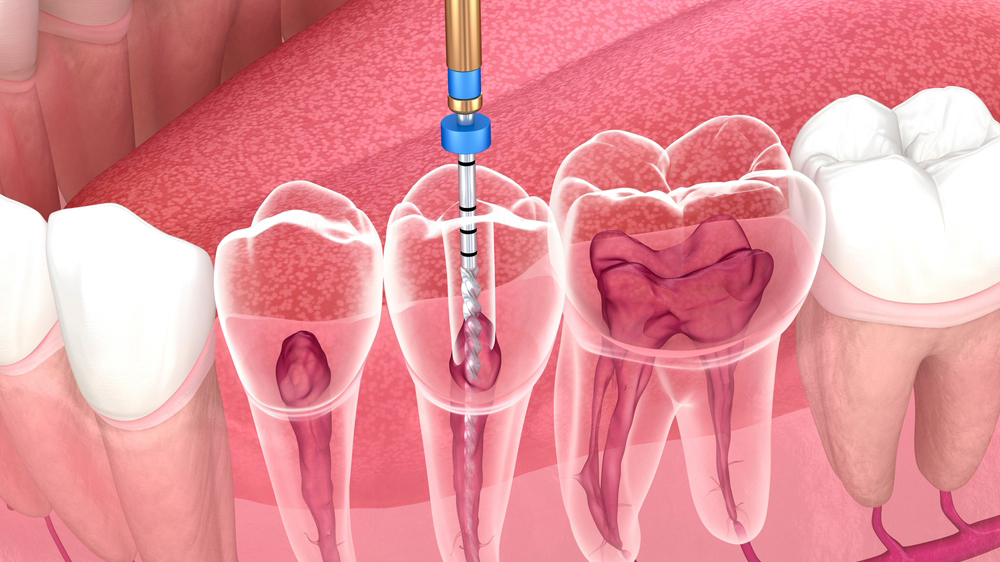
Single-visit root canal treatment is a procedure that removes infected or inflamed pulp tissue from inside a tooth and seals the resulting root canal system, completed within one appointment rather than staged across multiple visits.
Schedule a ConsultationSingle-Visit Root Canal Treatment
Medically reviewed by Dr. Park Hyo Jin, Specialist in Conservative Dentistry / Director, Magok Pureunmaeum Dental Clinic, Seoul
Single-visit root canal treatment removes infected or inflamed pulp from inside a tooth, then cleans and seals the root canal system, completing the process in one appointment when the tooth's condition allows it, with the goal of preserving the natural tooth rather than extracting it. For patients researching single-visit root canal Seoul options — particularly international patients whose travel schedule does not allow for multiple return visits — completing treatment in one appointment is often a practical necessity as much as a preference. At Magok Pureunmaeum Dental Clinic, this treatment is built around the same tooth-preservation philosophy that guides the rest of the clinic's conservative dentistry work: an infected tooth is treated with the aim of saving it, and the single-visit format is offered specifically where it can be done safely and predictably.
What Is Single-Visit Root Canal Treatment?
Single-visit root canal treatment is a procedure that removes infected or inflamed pulp tissue from inside a tooth and seals the resulting root canal system, completed within one appointment rather than staged across multiple visits. It is the same underlying endodontic treatment as a multi-visit root canal, distinguished mainly by how the steps are sequenced within the available appointment time.
- The pulp — the soft tissue inside a tooth containing nerves, blood vessels, and connective tissue — is removed when it becomes irreversibly inflamed or infected.
- The root canal system inside the tooth is cleaned and shaped before being filled and sealed to prevent reinfection.
- Local anesthesia is generally used throughout the procedure.
- Whether a case is appropriate for a single visit depends on the tooth's condition, the complexity of its root canal anatomy, and the extent of any infection, assessed through clinical and radiographic evaluation.
- The tooth is restored after the canal is sealed, since a treated tooth still needs a filling or crown to function normally afterward.
A common misconception is that root canal treatment is a uniquely difficult or unpleasant procedure. In practice, once a tooth is numbed with local anesthesia, the experience is broadly comparable to having a deep filling placed, and the discomfort most patients associate with "needing a root canal" typically comes from the untreated infection itself rather than from the treatment that resolves it. The single-visit format does not change this underlying experience; it simply compresses the cleaning, shaping, and sealing steps that would otherwise be split across two appointments into one longer sitting.
Who Performs Single-Visit Root Canal Treatment at Magok Pureunmaeum Dental Clinic

Dr. Park Hyo-jin
Conservative Dentistry Expert
Single-visit root canal treatment at Magok Pureunmaeum Dental Clinic is performed by Dr. Park Hyo Jin, Specialist in Conservative Dentistry and Director of the clinic, with more than 22 years of clinical experience. Dr. Park holds a Master's Degree in Dentistry from Wonkwang University Graduate School and completed a formal internship and residency in Conservative Dentistry, which specifically includes endodontic treatment as part of its training scope. Root canal treatment is a procedure where the anatomy of the tooth being treated can vary significantly from one patient to the next, and residency-level training in this exact discipline is what allows a dentist to make sound, real-time judgments about canal anatomy during treatment rather than relying on generic assumptions.
Dr. Park is a full member of the Korean Academy of Endodontics as well as the Korean Academy of Conservative Dentistry, giving continued exposure to current standards and techniques specific to root canal treatment. That endodontic specialization is directly relevant to the single-visit format in particular, since deciding whether a given tooth can be safely and predictably completed in one appointment — rather than requiring a staged approach — depends on exactly the kind of clinical judgment that focused endodontic training and experience develop.
Who Is a Good Candidate for Single-Visit Root Canal Treatment?
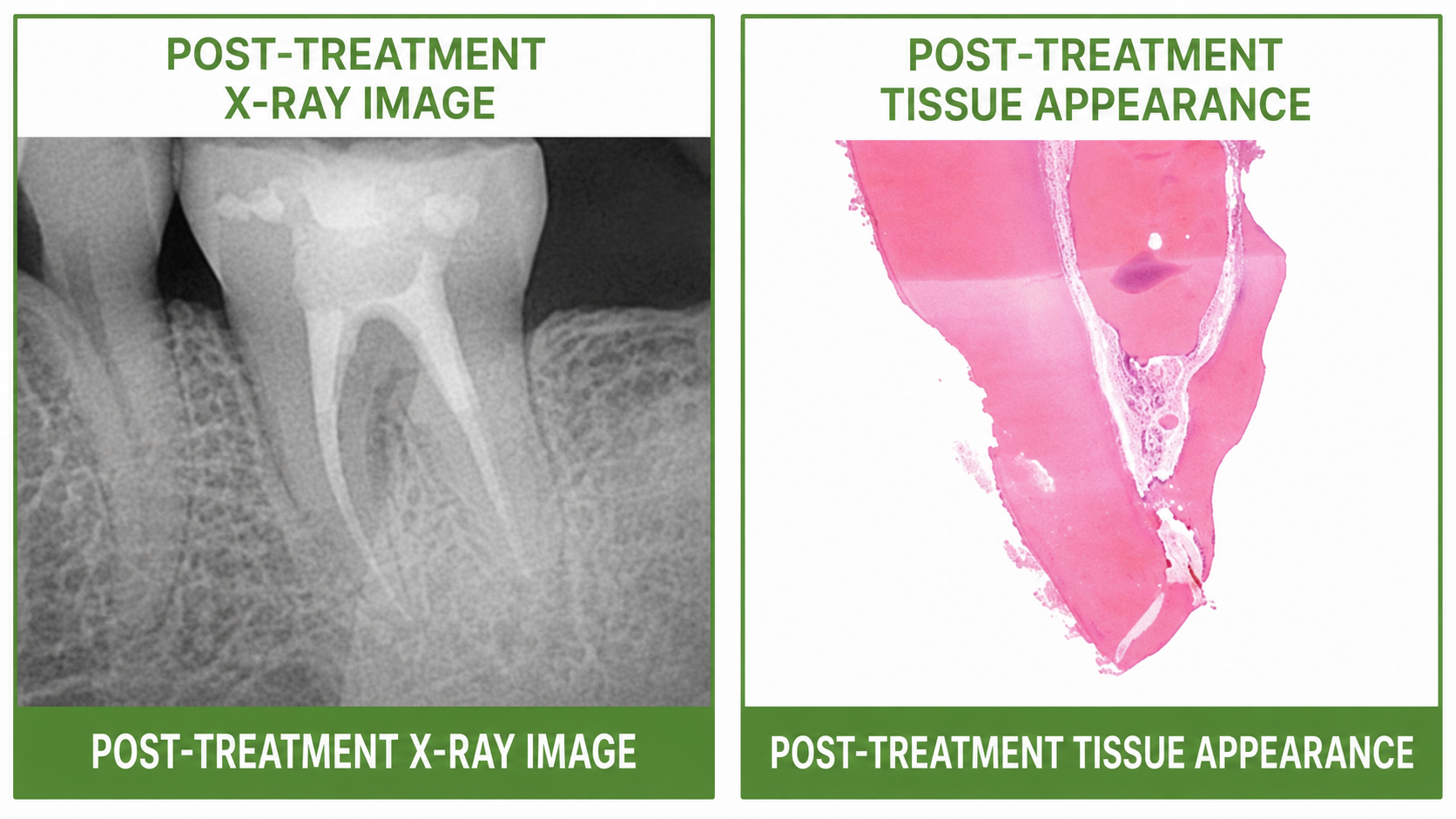
- Patients whose tooth condition can be safely and predictably treated in a single visit, as determined by clinical examination and radiographic evaluation of the root canal anatomy.
- Patients who prefer to reduce the number of dental appointments required, including those traveling for treatment who want to minimize the number of visits needed.
- Patients with an infected or inflamed pulp where the surrounding tooth structure and root anatomy support single-visit completion.
Not every case is suited to the single-visit approach. Complex infections, difficult or unusual canal anatomy, significant swelling, or cases where the clinical picture suggests a staged approach would be safer may instead require multi-visit root canal treatment, and this determination is made during the pre-treatment evaluation rather than assumed in advance.
This is one reason patients should treat "single-visit" as a likely outcome to discuss with the dentist rather than a guarantee to request. A tooth that looks straightforward on initial inspection can turn out, once imaging is reviewed, to have canal anatomy that is better managed across two appointments — for instance if there is uncertainty about whether the infection has been fully controlled during the first stage of cleaning. Being told during the consultation that a staged approach is recommended for a specific tooth is a sign that the treatment plan is being matched to that tooth's actual anatomy rather than to a scheduling preference.
What to Expect: Procedure, Recovery, and Results Timeline
Single-visit root canal treatment follows a defined sequence completed within one appointment.
- The dentist evaluates the tooth, the patient's symptoms, and the condition of the pulp, usually supported by dental imaging of the root canal anatomy.
- The tooth is numbed with local anesthesia and isolated to keep the treatment area clean during the procedure.
- The infected or inflamed pulp is removed from inside the tooth.
- The root canals are cleaned and shaped to remove bacteria and prepare the space for sealing.
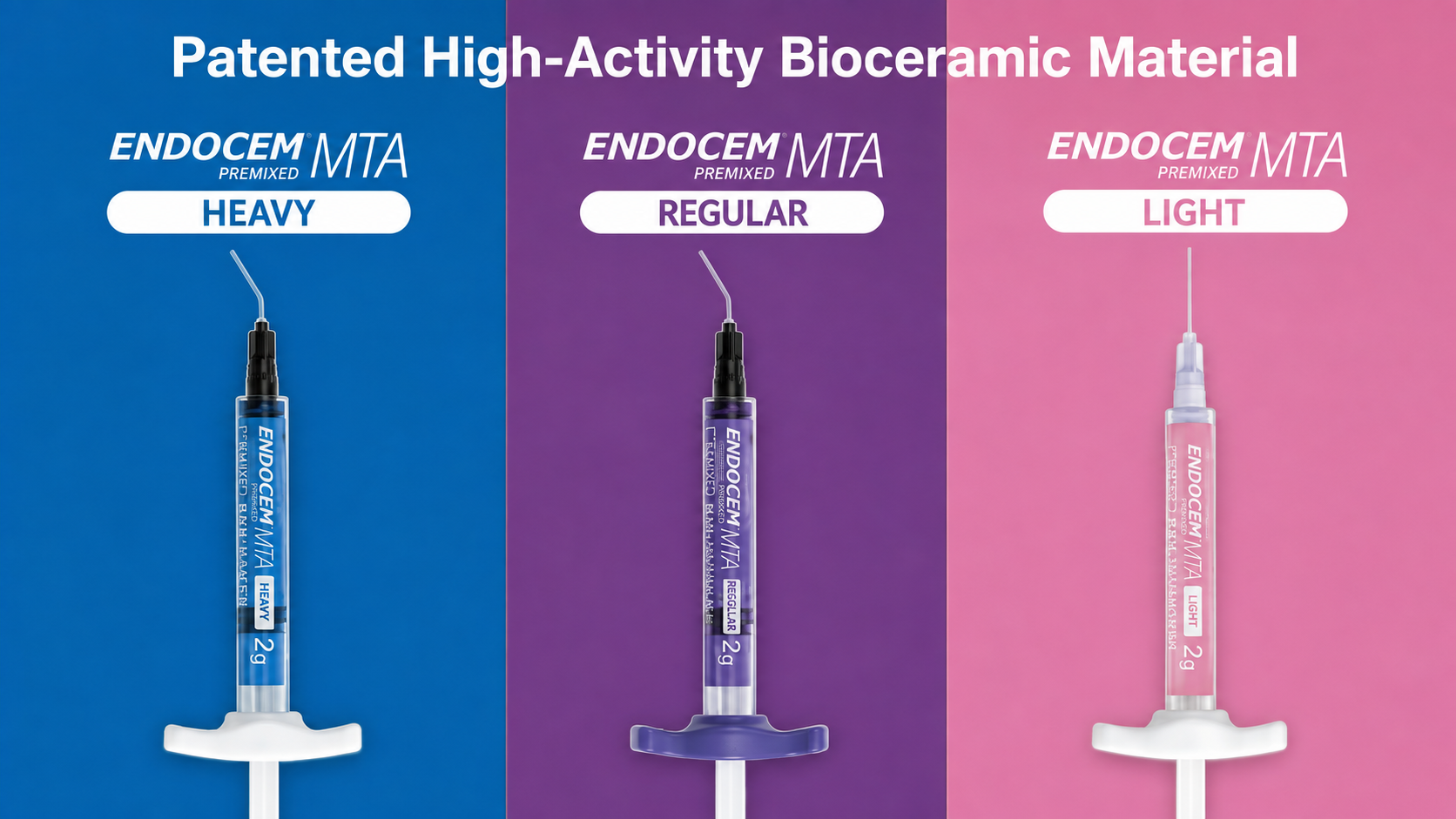
- The canals are filled and sealed to prevent reinfection.
- The tooth is restored, typically with a filling or a crown, to restore normal function.
Stage | What happens | Typical timing |
|---|---|---|
Evaluation and imaging | Assessment of tooth, symptoms, and canal anatomy | Before treatment |
Anesthesia and isolation | Tooth numbed and isolated | Start of appointment |
Pulp removal | Infected or inflamed pulp removed | Same appointment |
Cleaning, shaping, sealing | Canals cleaned, shaped, filled, sealed | Same appointment, commonly about 1-2 hours total |
Restoration | Filling or crown placed | Same appointment or shortly after |
Recovery | Mild soreness for a few days is common | Days following treatment |
The appointment itself commonly takes about 1 to 2 hours, depending on the tooth being treated, the number and complexity of its canals, and the extent of the infection, though this varies by case. Mild tenderness or soreness in the treated tooth for a few days afterward is a normal part of recovery, while deeper healing of an infected area around the root of the tooth can take longer than the visible recovery of the tooth itself. Because of this, the immediate goal of treatment — removing the infection and sealing the canals — is met at the end of the appointment, but the long-term survival of the tooth also depends on the quality of the final restoration, the patient's oral hygiene, and their general dental health going forward.
Following the instructions given at the end of the appointment matters more in the days immediately after treatment than at any later point. Patients are generally advised to avoid putting significant chewing pressure on the treated tooth until it has been permanently restored, since a tooth that has had its pulp removed can become more brittle and prone to cracking under load than an intact tooth. Attending the scheduled follow-up visit, when one is recommended, allows the dentist to confirm that healing is progressing as expected before considering the case fully closed.
Combining Single-Visit Root Canal Treatment with Other Treatments
A root canal treatment is rarely the final step in a patient's care, and Magok Pureunmaeum Dental Clinic offers several related specialties that are often combined with endodontic treatment:
- Prosthetic Restoration, since a tooth that has had root canal treatment typically needs a filling or crown afterward to restore full function and protect the tooth from fracture.
- Aesthetic Dentistry, for patients whose treated tooth is in a visible position and who want the final restoration to match their smile.
- Periodontics, when the tissue and bone around the treated tooth also need to be evaluated, since gum health affects the overall outcome of the treatment.
Safety, Precision, and Clinic Standards
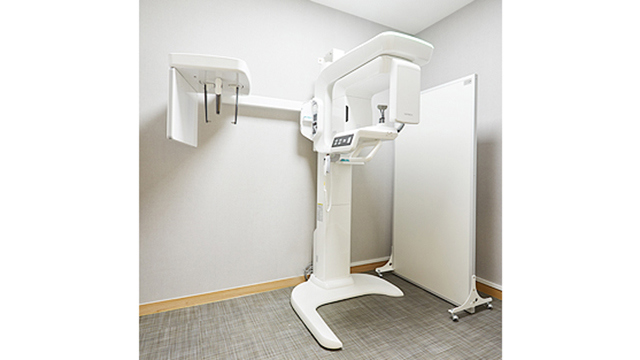
Magok Pureunmaeum Dental Clinic uses 3D CT imaging and digital diagnostic systems clinic-wide, which is particularly relevant to root canal treatment given how much the safety and predictability of a single-visit approach depend on understanding a tooth's canal anatomy before treatment begins rather than discovering complications mid-procedure. The clinic is a Registered Medical Institution for Attracting Foreign Patients, certified by Korea's Ministry of Health and Welfare under the Medical Overseas Expansion and Foreign Patients Attraction Act, a relevant standard for international patients who are specifically seeking dental care for international patients in Seoul while balancing a limited travel schedule.
The American Association of Endodontists states that research overwhelmingly shows root canal treatment is safe, effective, and eliminates pain, and that with proper care, most teeth that have had root canal treatment can last a lifetime. On the question of visit count specifically, the AAE explains that a modern root canal treatment can usually be completed in one or two appointments depending on the condition of the tooth and the patient's individual circumstances, which is consistent with this clinic's approach of offering single-visit treatment where the tooth's condition supports it, while reserving a staged approach for cases where that is the safer path.
The Bottom Line
- Single-visit root canal treatment removes infected or inflamed pulp and seals the root canal system in one appointment when the tooth's condition allows it.
- At Magok Pureunmaeum Dental Clinic, this treatment is performed by Dr. Park Hyo Jin, a Conservative Dentistry specialist and member of the Korean Academy of Endodontics with 22+ years of experience.
- Candidacy depends on the tooth's condition, root canal anatomy, and extent of infection, confirmed through examination and imaging.
- The appointment commonly takes about 1-2 hours; mild soreness for a few days afterward is normal.
- Long-term tooth survival depends on the quality of the final restoration, oral hygiene, and ongoing dental care.
Frequently Asked Questions
Can every root canal be completed in a single visit? No. Whether a case is suitable for single-visit treatment depends on the tooth's condition, the complexity of its root canal anatomy, and the extent of any infection or swelling. This is determined through clinical examination and imaging, and some cases are better suited to a staged, multi-visit approach.
Is single-visit root canal treatment as effective as a multi-visit approach? The goal of both approaches is the same: to remove infected or inflamed pulp, clean and seal the canals, and preserve the natural tooth. Which approach is used for a given tooth is a clinical decision based on that tooth's specific condition and anatomy, made by the treating dentist.
Will it hurt? Local anesthesia is generally used during the procedure. Mild soreness or tenderness in the treated tooth for a few days afterward is a normal and expected part of recovery.
How long does the appointment take? Single-visit root canal treatment commonly takes about 1 to 2 hours, depending on the tooth, the number of canals, and the complexity of the case.
Why would I choose single-visit treatment as an international patient? Reducing the number of appointments needed can be a practical advantage for patients who are traveling and have a limited amount of time in Seoul. This benefit needs to be weighed against the tooth's actual clinical suitability for single-visit treatment, which the dentist determines during evaluation.
What happens after the canal is sealed? The tooth is restored, typically with a filling or a crown, to protect it and restore normal chewing function. Long-term survival of the tooth depends on the quality of this restoration along with ongoing oral hygiene and dental care.
What if the infection doesn't fully resolve? Recognized risks with any root canal treatment include incomplete cleaning, persistent infection, or reinfection, which may require further treatment. Attending scheduled follow-up visits and reporting worsening or persistent symptoms allows these situations to be identified and addressed.
Do I need imaging before this treatment? Yes. A dental exam and imaging are used to evaluate the tooth's condition and root canal anatomy and to help determine whether single-visit treatment is appropriate for that specific case.
Book a Consultation at Magok Pureunmaeum Dental Clinic
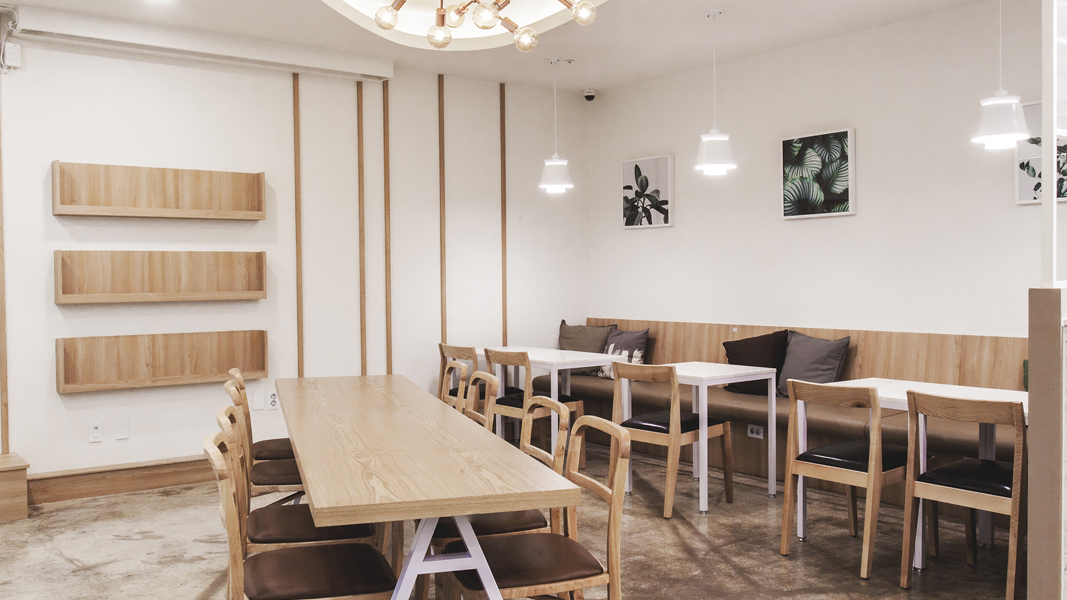
To find out whether your tooth is a candidate for single-visit root canal treatment, schedule a consultation at Magok Pureunmaeum Dental Clinic in Seoul. The clinic is located on the 3rd Floor, Woosung SB Tower, 385 Gangseo-ro, Gangseo-gu, Seoul, near Exit 2 of Balsan Station, and is open Monday, Wednesday, Thursday, and Friday from 9:30 AM to 6:30 PM, Tuesday from 9:30 AM to 8:30 PM, and Saturday from 9:30 AM to 2:00 PM, with no lunch break; the clinic is closed Sundays and public holidays. To arrange an appointment, visit the clinic's contact page.
Disclaimer
This page is for general informational purposes and does not constitute individualized medical advice. Candidacy, technique, and expected outcomes can only be determined through a consultation with a qualified physician.
Sources & Further Reading
Other Dental Services
Explore additional tooth-preserving and restorative procedures.

Standard Implants
A standard dental implant surgically embeds a titanium fixture into the jawbone to replace a missing tooth root, then secures a custom-fitted crown on top through an intermediate abutment.
Learn More
Single-Visit Root Canal Treatment
Single-visit root canal treatment is a procedure that removes infected or inflamed pulp tissue from inside a tooth and seals the resulting root canal system, completed within one appointment rather than staged across multiple visits.
Learn More
Inlay Restoration
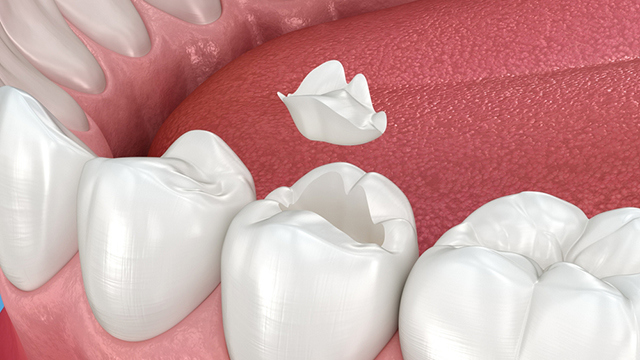
An inlay restoration fits a custom-fabricated piece precisely within the central area between a tooth's cusps, repairing moderate decay or damage without covering the cusps themselves or the whole tooth.
Learn More