Natural Tooth Preservation & Certified MINISH Dental Care in Magok, Seoul

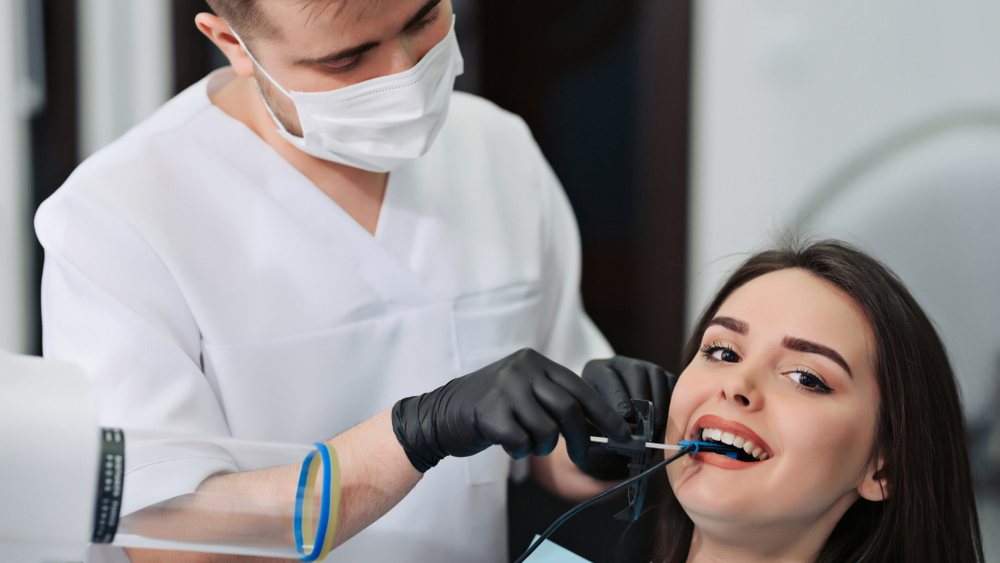
Periodontics (Gum Treatment) · Needs Clinic Confirmation
Scaling
Scaling is the removal of plaque and calculus from the surfaces of the teeth, including the area directly along and just below the gumline, using ultrasonic instrumentation and precision hand tools.
Schedule a ConsultationScaling
Medically reviewed by Dr. Park Hyo Jin Specialist in Conservative Dentistry / Director, Magok Pureunmaeum Dental Clinic, Seoul
Scaling is a fundamental preventive dental procedure that removes plaque and hardened calculus, commonly called tartar, from the surfaces of the teeth and along the gumline to maintain oral hygiene and prevent gum disease. For patients researching dental scaling Seoul options, it is typically the simplest and most routine of all dental procedures — a short visit that addresses a buildup brushing alone cannot remove. At Magok Pureunmaeum Dental Clinic, scaling is treated as a cornerstone of the clinic's natural-tooth-preservation philosophy: keeping the teeth and gums free of the tartar that leads to decay and gum disease is one of the most effective ways to avoid more extensive treatment later.
Tartar forms when plaque, a sticky film of bacteria, is not removed thoroughly enough during daily brushing and flossing. Once it hardens, no amount of home brushing can remove it — only a dental professional using specialized instruments can. That is the practical reason teeth cleaning Korea clinics provide is recommended on a recurring schedule rather than as a one-time fix: plaque begins forming again almost immediately after a cleaning, and routine tartar removal Seoul dentists perform is what keeps it from accumulating to a level that damages the gums or enamel.
For an international patient combining dental care with travel, scaling is often the most accessible entry point into a clinic's broader periodontal and preventive services, since it requires no anesthesia in most cases and can typically be completed within a single, short appointment.
What Is Scaling?
Scaling is the removal of plaque and calculus from the surfaces of the teeth, including the area directly along and just below the gumline, using ultrasonic instrumentation and precision hand tools. It is classified as a preventive procedure rather than a restorative or surgical one.
- Scaling targets both plaque, the soft bacterial film that forms daily, and tartar, the hardened mineral deposit that plaque becomes once it is not removed.
- Ultrasonic dental scalers use vibration to break tartar loose from the tooth surface without requiring the tooth structure itself to be altered.
- Precision hand scaling instruments are used to refine areas the ultrasonic scaler cannot fully reach, particularly close to the gumline.
- Scaling addresses tartar above the gumline and just beneath it, which distinguishes it from deeper periodontal cleaning aimed at more advanced gum disease.
- The procedure concludes with polishing, which smooths the tooth surface and makes it more resistant to new plaque accumulating quickly.
Because tartar buildup happens gradually and largely without symptoms, scaling is one of the few dental procedures recommended on a schedule rather than only in response to a problem. Most patients are advised to have scaling performed once or twice a year, though the appropriate frequency depends on individual factors such as how quickly tartar tends to accumulate for that patient.
Who Performs Scaling at Magok Pureunmaeum Dental Clinic

Dr. Park Hyo-jin
Conservative Dentistry Expert
Scaling at Magok Pureunmaeum Dental Clinic is provided through the clinic's collaborative periodontal care model, overseen by Dr. Park Hyo Jin, Specialist in Conservative Dentistry and Director of the clinic, who brings more than 22 years of clinical experience to the practice. Rather than treating scaling as an isolated hygiene appointment, the clinic incorporates it into its broader diagnostic process, using digital X-rays where appropriate alongside a visual exam of the teeth and gums to evaluate the extent of tartar accumulation and the condition of the periodontal tissue.
This integration matters because scaling appointments are frequently the point at which early gum disease or a developing cavity is first noticed. A visual exam performed as part of a scaling visit can surface a finding that warrants a referral to periodontal curettage, restorative treatment, or another specialty within the clinic, allowing the collaborative team to coordinate a next step rather than treating the scaling visit as disconnected from the rest of a patient's dental care.
Who Is a Good Candidate for Scaling?
- Patients who cannot remove built-up tartar or plaque through brushing and flossing alone, since tartar can only be removed with professional instruments once it hardens.
- Patients who want to prevent tooth decay, gum disease, and bad breath through regular preventive maintenance.
- Patients with persistent bad breath that has not improved with home oral hygiene, since trapped plaque and tartar are a common underlying cause.
- Patients seeking a routine, low-friction preventive visit as part of ongoing oral health maintenance, including international patients who want a general checkup and cleaning alongside other dental care.
Scaling is not the appropriate first step for every patient in every circumstance. Patients with severe bleeding disorders or acute, severe oral infections generally need those conditions addressed or stabilized before scaling is performed, and patients with teeth that are highly sensitive may need prior treatment to manage that sensitivity before undergoing a full scaling session. A visual exam, sometimes supported by digital X-rays, is used to confirm that scaling is the appropriate and sufficient treatment before proceeding, rather than a case that requires deeper periodontal care instead.
What to Expect: Procedure, Recovery, and Results Timeline
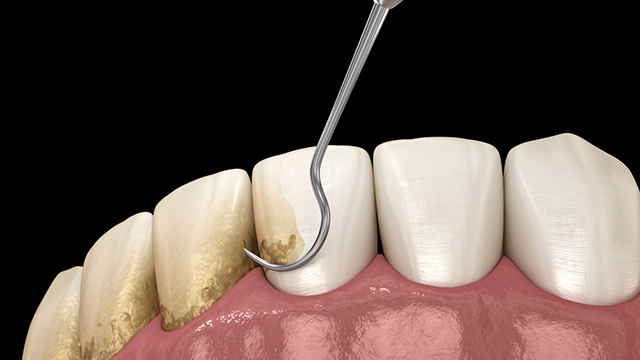
Scaling follows a short, well-defined sequence and is typically completed in a single visit.
- The dentist performs an initial exam of the teeth and gums to evaluate the extent of plaque and tartar buildup.
- Thorough scaling is performed using ultrasonic instruments and precision hand tools to remove tartar and plaque from the tooth surfaces and gumline.
- The tooth surfaces are polished and smoothed, which helps slow the rate at which new plaque accumulates.
Stage | What happens | Typical timing |
|---|---|---|
Initial exam | Assessment of plaque and tartar buildup | Start of the visit |
Scaling | Ultrasonic and hand-instrument removal of tartar and plaque | Bulk of the appointment |
Polishing | Surface smoothing to finish the treatment | End of the visit |
Recovery | Any minor sensitivity resolves | A few hours to a couple of days |
A scaling appointment generally takes 30 to 60 minutes and is typically completed in a single session, with anesthesia not usually required. The procedure is delivered with attention to comfort and precision to minimize any discomfort during treatment. Recovery is essentially immediate — most patients resume normal eating and daily activity right away — though temporary tooth sensitivity, mild gum tenderness, or slight localized bleeding shortly after treatment can occur and typically resolves within a few hours to a couple of days.
Because plaque begins reforming on the teeth continuously, the benefit of a single scaling session is not permanent; it is generally recommended one to two times a year, adjusted based on the individual's rate of tartar buildup and the dentist's diagnosis at each visit. Patients who accumulate tartar more quickly, for reasons related to diet, saliva composition, or oral hygiene habits, may be advised to schedule scaling more frequently than the general one-to-two-times-per-year guideline.
Combining Scaling with Other Treatments
Scaling is frequently one part of a broader dental visit, and Magok Pureunmaeum Dental Clinic offers related services that pair naturally with a scaling appointment.
- Routine checkups, since a scaling visit is a natural point to also have a general oral health exam performed.
- Teeth whitening, for patients who want to address surface staining once plaque and tartar have been professionally removed.
- Resin restoration or caries-prevention care, for patients whose scaling exam surfaces an early cavity or area of concern that benefits from restorative attention.
Because scaling often serves as the entry point into a broader preventive or restorative visit, the clinic's collaborative structure allows any findings from the scaling exam to be addressed by the appropriate specialist without requiring a separate appointment to be scheduled from scratch.
Safety, Precision, and Clinic Standards

Magok Pureunmaeum Dental Clinic performs scaling using ultrasonic dental scalers and precision hand scaling instruments, supported clinic-wide by 3D CT imaging and digital diagnostic systems that allow the treating team to assess tooth and gum condition with precision when a scaling exam suggests a need for further evaluation. The clinic is a Registered Medical Institution for Attracting Foreign Patients, certified by Korea's Ministry of Health and Welfare under the Medical Overseas Expansion and Foreign Patients Attraction Act, a designation reflecting government-recognized standards for the care of international patients.
This approach to preventive care aligns with guidance from recognized dental health authorities. The American Dental Association's patient resource MouthHealthy explains that plaque not removed through thorough daily brushing and cleaning between teeth can eventually harden into tartar, a mineral deposit that can only be removed through cleaning performed by a dental professional, and that once tartar collects above the gumline, the gum tissue can become swollen and bleed easily — the earliest stage of gum disease. The U.S. Centers for Disease Control and Prevention similarly identifies professional cleaning and removal of tartar as a foundational element of preventing and managing gum disease, alongside daily brushing and flossing at home.
Precision during scaling matters because the instruments used work directly along the gumline, an area sensitive enough that technique affects both comfort and outcome. Ultrasonic scalers are designed to break tartar loose from the tooth surface through vibration rather than manual scraping alone, which is part of why scaling can generally be performed without anesthesia while still thoroughly removing built-up deposits.
The Bottom Line
- Scaling removes plaque and tartar from the tooth surfaces and gumline using ultrasonic and hand instruments, and is one of the most routine and accessible preventive dental procedures.
- At Magok Pureunmaeum Dental Clinic, scaling is delivered through a collaborative model overseen by Dr. Park Hyo Jin, integrated with the clinic's broader diagnostic process.
- Good candidates include patients who cannot remove tartar through brushing alone and anyone seeking preventive maintenance against decay, gum disease, and bad breath.
- The appointment typically takes 30 to 60 minutes, requires no anesthesia in most cases, and is usually completed in a single visit.
- Routine professional scaling one to two times a year is an effective preventive measure for stopping cavity formation, treating bad breath, and protecting long-term gum health.
Frequently Asked Questions
How is scaling different from brushing at home? Brushing removes soft plaque before it hardens, but once plaque hardens into tartar, it can only be removed with professional instruments during a scaling visit. Scaling is a professional procedure specifically designed to remove tartar that home brushing cannot reach or dissolve.
Does scaling hurt? Scaling is generally not painful and does not typically require anesthesia. The procedure is performed with attention to comfort, though patients with more tartar buildup or sensitive gums may notice mild, temporary sensitivity during or shortly after the appointment.
How long does a scaling appointment take? A typical scaling appointment takes 30 to 60 minutes and is usually completed in a single visit, covering an initial exam, the scaling itself, and polishing.
How often should I have scaling done? Scaling is generally recommended one to two times a year, though the right frequency depends on individual factors such as how quickly tartar tends to build up for that patient. The dentist can recommend a personalized schedule after an initial exam.
Will scaling whiten my teeth? Scaling removes plaque and tartar, which can reveal a cleaner, smoother tooth surface, but it is not a whitening procedure. Patients interested in whitening surface stains can discuss teeth whitening as a separate or combined treatment.
What if my gums bleed during or after scaling? Mild, temporary bleeding during or shortly after scaling can occur, particularly if there is a significant amount of tartar buildup or existing gum inflammation, and it generally resolves quickly. Bleeding that persists or worsens should be mentioned to the clinic.
Can scaling prevent gum disease? Yes. Removing plaque and tartar through regular scaling is one of the most effective preventive measures against gingivitis and more advanced gum disease, since tartar buildup along the gumline is a primary trigger for gum inflammation.
Book a Consultation at Magok Pureunmaeum Dental Clinic
To schedule a scaling and preventive cleaning appointment, or to combine it with a broader dental checkup, contact Magok Pureunmaeum Dental Clinic in Seoul. The clinic is located on the 3rd Floor, Woosung SB Tower, 385 Gangseo-ro, Gangseo-gu, Seoul, near Exit 2 of Balsan Station, and is open Monday, Wednesday, Thursday, and Friday from 9:30 AM to 6:30 PM, Tuesday from 9:30 AM to 8:30 PM, and Saturday from 9:30 AM to 2:00 PM, with no lunch break; the clinic is closed Sundays and public holidays. To arrange an appointment, visit the clinic's contact page.
Disclaimer
This page is for general informational purposes and does not constitute individualized medical advice. Candidacy, technique, and expected outcomes can only be determined through a consultation with a qualified physician.
Sources & Further Reading
Other Dental Services
Explore additional tooth-preserving and restorative procedures.

Standard Implants
A standard dental implant surgically embeds a titanium fixture into the jawbone to replace a missing tooth root, then secures a custom-fitted crown on top through an intermediate abutment.
Learn More
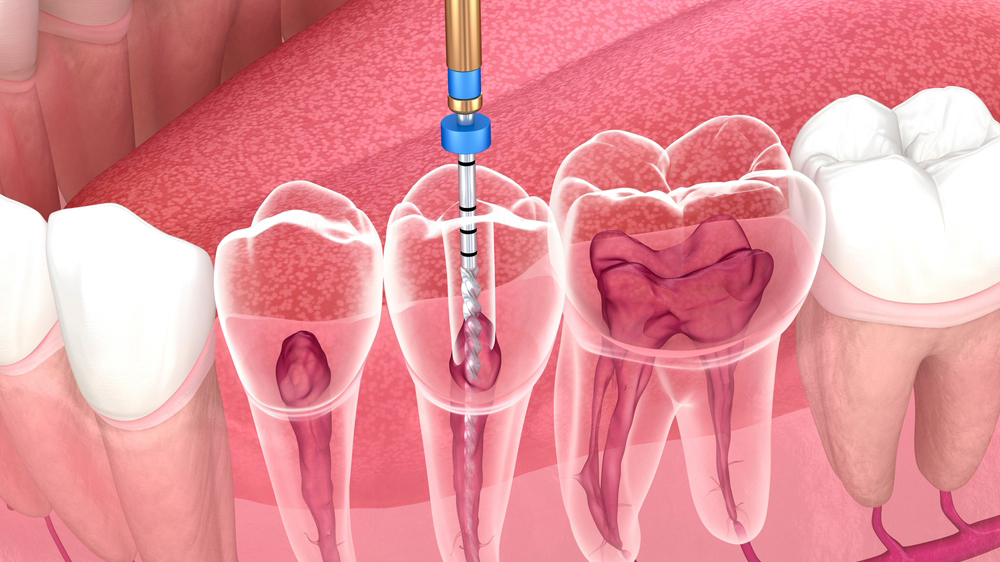
Single-Visit Root Canal Treatment
Single-visit root canal treatment is a procedure that removes infected or inflamed pulp tissue from inside a tooth and seals the resulting root canal system, completed within one appointment rather than staged across multiple visits.
Learn More
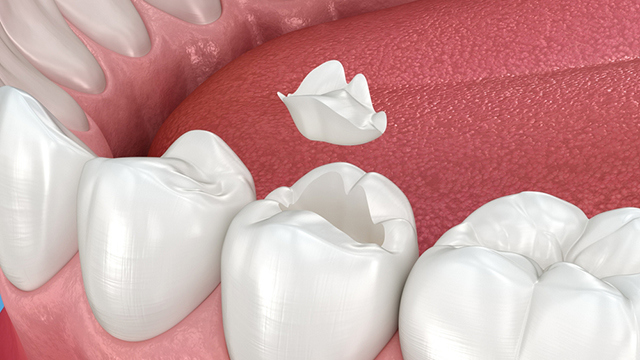
Inlay Restoration
An inlay restoration fits a custom-fabricated piece precisely within the central area between a tooth's cusps, repairing moderate decay or damage without covering the cusps themselves or the whole tooth.
Learn More