Natural Tooth Preservation & Certified MINISH Dental Care in Magok, Seoul

Conservative Dentistry & Endodontics · Needs Clinic Confirmation
General Preventive Care
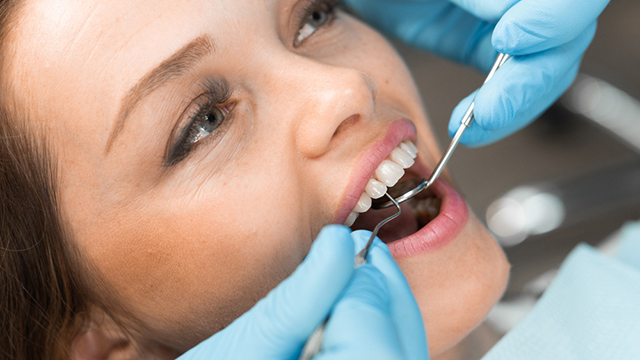
General preventive care is a category of routine dental services — oral examination, professional cleaning, and fluoride application — intended to reduce the risk of cavities and gum problems before they develop into conditions requiring.
Schedule a ConsultationGeneral Preventive Care
Medically reviewed by Dr. Park Hyo Jin, Specialist in Conservative Dentistry / Director, Magok Pureunmaeum Dental Clinic, Seoul
General preventive care combines a professional oral examination, professional cleaning when needed, and fluoride application to help prevent tooth decay and maintain long-term oral health. For patients researching a preventive dentist Seoul option — whether as a resident or as an international patient visiting Seoul for other dental treatment — preventive care is the routine maintenance layer that sits underneath and supports every other service this clinic offers, from cavity treatment to root canal treatment. At Magok Pureunmaeum Dental Clinic, preventive care follows the same natural-tooth-preservation philosophy that shapes the rest of the practice: it is easier, and less invasive, to keep a healthy tooth healthy than to restore one after decay has already set in.
What Is General Preventive Care?
General preventive care is a category of routine dental services — oral examination, professional cleaning, and fluoride application — intended to reduce the risk of cavities and gum problems before they develop into conditions requiring restorative or endodontic treatment. It is proactive rather than reactive, addressing risk factors for decay before a cavity forms rather than treating one after the fact.
- An oral examination allows the dentist to check for early signs of decay, gum disease, or other developing problems.
- Professional cleaning removes plaque and buildup that a home routine of brushing and flossing does not fully reach.
- Fluoride application strengthens tooth enamel and can help prevent, and in early stages even reverse, the start of tooth decay.
- Preventive care is appropriate for the general population seeking routine maintenance, not only for patients with an active dental problem.
- Fluoride is particularly useful for patients whose risk of developing cavities is assessed as higher than average.
Preventive care is sometimes treated as an afterthought compared with the more visible services in a dental practice, but the underlying logic is straightforward: a cavity that never forms does not need a filling, and a gum problem caught at an early, reversible stage does not progress to something that requires more involved treatment. Fluoride's role within this framework is specific — it works by strengthening the outer surface of the tooth, called enamel, and by helping replace minerals that acid produced by bacteria in the mouth has already dissolved out of the tooth. That is a mechanism aimed at the tooth surface itself, distinct from professional cleaning, which addresses plaque and buildup on and around the teeth rather than the mineral content of the enamel.
Who Performs General Preventive Care at Magok Pureunmaeum Dental Clinic

Dr. Park Hyo-jin
Conservative Dentistry Expert
General preventive care at Magok Pureunmaeum Dental Clinic is overseen by Dr. Park Hyo Jin, Specialist in Conservative Dentistry and Director of the clinic, who has more than 22 years of clinical experience across the full range of conservative dentistry, including the preventive services that reduce the need for restorative treatment in the first place. Dr. Park holds a Master's Degree in Dentistry from Wonkwang University Graduate School and completed a formal internship and residency in Conservative Dentistry.
Because Dr. Park's specialty training centers on treating and preventing dental decay, preventive care at this clinic is delivered with the same clinical perspective that informs cavity treatment and root canal treatment: an examination is not simply a formality before other services, but an opportunity to catch a developing problem while it is still preventable rather than after it has become restorative or endodontic in nature. As a full member of the Korean Academy of Conservative Dentistry, Dr. Park's ongoing engagement with the field's current standards extends to preventive practices as well as treatment of existing decay.
Who Is a Good Candidate for General Preventive Care?
- The general population wanting routine dental maintenance, regardless of whether a specific problem is currently present.
- Patients identified as having a higher risk of developing cavities, for whom fluoride application is particularly useful.
- Patients seeking to maintain oral health and reduce their risk of future cavities or gum problems.
- International patients visiting the clinic for other dental treatment who also want a routine oral exam and cleaning included in their visit.
There is no meaningful downside to being examined even when nothing appears to be wrong. Many of the conditions preventive care is designed to catch — the earliest stage of a cavity, mild gum inflammation, or wear patterns that suggest a developing bite problem — produce no noticeable symptoms until they have already progressed. For that reason, patients who feel their teeth are fine are not a poor fit for preventive care; they are, in many respects, exactly who it is intended for, since the whole premise of prevention is intervening before a problem becomes symptomatic.
What to Expect: Procedure, Recovery, and Results Timeline

General preventive care follows a simple, low-intervention sequence.
- The dentist performs an oral examination to check for signs of decay, gum problems, or other developing issues.
- Professional cleaning is performed when needed, based on the findings of the exam.
- Fluoride is applied when appropriate for the patient's individual risk profile and needs.
- The patient is given clinic-specific instructions on eating, drinking, and brushing following the fluoride application.
Stage | What happens | Typical timing |
|---|---|---|
Oral examination | Dentist checks for decay, gum issues, other concerns | Single visit |
Professional cleaning | Performed when needed | Same visit |
Fluoride application | Gel or foam applied for about 1-4 minutes, or varnish painted on for a brief application | Same visit |
Aftercare | Follow clinic-specific eating/drinking/brushing guidance | Immediately following application |
Anesthesia is not normally required for preventive care, though sensitivity during cleaning can vary from patient to patient depending on gum condition and tooth sensitivity. There is little to no recovery time associated with these services, and most patients return to normal activity immediately. Depending on the fluoride product used, application itself is brief: professional fluoride gel or foam is typically applied for about 1 to 4 minutes, while fluoride varnish is painted directly onto the teeth and involves a similarly brief application. The preventive benefit of these visits builds over time and depends on how they combine with the patient's daily hygiene and diet, rather than being a one-time fix; consistent oral hygiene and diet control, combined with fluoride exposure and periodic visits, are what determine an individual's actual cavity risk over the long term.
The distinction between fluoride gel/foam and fluoride varnish is mostly practical rather than a matter of one being categorically better than the other. Gel or foam is typically delivered in a tray that sits against the teeth for its short application window, while varnish is painted directly onto the tooth surfaces with a small brush and sets on contact with saliva, which is part of why it is often preferred for patients who might have difficulty holding a tray in place. Both approaches are intended to keep a concentrated dose of fluoride in contact with the teeth for a limited period, and the dentist can advise on which is more suitable for a given patient's needs during the visit itself.
Combining General Preventive Care with Other Treatments
Preventive care is designed to work alongside a patient's regular dental routine and other treatments rather than as a replacement for either, and Magok Pureunmaeum Dental Clinic offers several related services that connect naturally with it:
- Cavity Treatment (Resin Restoration), since an oral exam performed during a preventive visit is often how early decay is first identified, before it progresses further.
- Single-Visit Root Canal Treatment, for cases where an exam reveals a problem that has already reached the pulp and requires endodontic rather than purely preventive care.
- Periodontics, offered at this clinic for gum health needs identified during a routine oral examination.
- Home fluoride toothpaste and dietary control are recommended as complements to in-office preventive care rather than substitutes for it.
Safety, Precision, and Clinic Standards
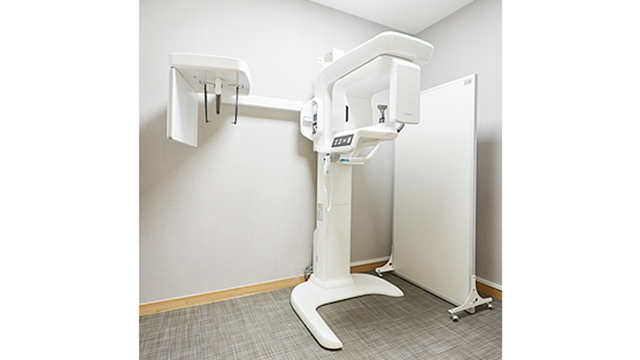
Magok Pureunmaeum Dental Clinic uses 3D CT imaging and digital diagnostic systems clinic-wide, which supports more thorough identification of early-stage decay and other developing issues during a routine oral examination. The clinic is a Registered Medical Institution for Attracting Foreign Patients, certified by Korea's Ministry of Health and Welfare under the Medical Overseas Expansion and Foreign Patients Attraction Act, a relevant standard for international patients combining preventive care with other dental treatment during a visit to Seoul.
The U.S. Centers for Disease Control and Prevention notes that fluoride helps both children and adults prevent cavities, and that preventing cavities means fewer and smaller cavities and less pain, lowering the chances of needing fillings or having teeth removed later. The National Institute of Dental and Craniofacial Research similarly states that fluoride can prevent, stop, and even reverse the early stages of tooth decay by strengthening tooth enamel, and that fluoride benefits patients across the lifespan, not only children. Fluoride is generally well tolerated when it is applied appropriately by a dental professional as part of a preventive care visit.
The Bottom Line
- General preventive care combines an oral examination, professional cleaning, and fluoride application to reduce the risk of future cavities and gum problems.
- At Magok Pureunmaeum Dental Clinic, preventive care is overseen by Dr. Park Hyo Jin, a Conservative Dentistry specialist with 22+ years of experience treating and preventing dental decay.
- It is suitable for the general population seeking routine maintenance, and is particularly useful for patients with a higher individual risk of cavities.
- There is little to no recovery time, and fluoride application itself typically takes only a few minutes.
- Long-term preventive benefit depends on combining in-office care with daily oral hygiene, diet, and fluoride exposure.
Frequently Asked Questions
What does a general preventive care visit include? It typically includes an oral examination to check for decay or gum problems, professional cleaning when needed, and fluoride application when appropriate for the patient's individual risk profile.
Does fluoride application hurt? No. Anesthesia is not normally required for preventive care, and fluoride application itself is brief, generally taking a few minutes depending on whether gel, foam, or varnish is used. Some sensitivity during the cleaning portion of the visit can vary between patients.
Is preventive care only for people who already have a cavity? No. General preventive care is intended for the general population seeking routine maintenance, whether or not a specific problem is currently present, and it is one of the main ways a future cavity is avoided in the first place.
How often should I have a preventive care visit? This depends on individual risk factors that the dentist assesses during examination, including diet, oral hygiene habits, and cavity history. The dentist can recommend an appropriate schedule based on that assessment.
Can fluoride reverse a cavity that has already formed? Fluoride can help prevent and, in the earliest stages of tooth decay, help reverse the process by replenishing minerals in the tooth's enamel. Once decay has progressed into an actual cavity, restorative treatment such as a resin filling is generally needed instead.
Is fluoride safe? Fluoride is generally well tolerated when appropriately applied by a dental professional, and it is a mineral already found naturally in water, soil, and certain foods. Temporary sensitivity or discomfort is possible depending on what other treatment is being performed alongside it.
Do I need to prepare anything before a preventive care visit? No extensive preparation is needed. It is helpful to inform the dentist of your medical history, any medications you take, known allergies, and any prior dental problems before the exam begins.
Can I combine a preventive care visit with other dental treatment during the same trip? Yes. Preventive care is commonly combined with other services offered at the clinic, such as cavity treatment or a periodontics evaluation, particularly useful for international patients who want to make the most of a single visit to Seoul.
Book a Consultation at Magok Pureunmaeum Dental Clinic

To schedule a general preventive care visit, including an oral exam, cleaning, or fluoride application, contact Magok Pureunmaeum Dental Clinic in Seoul. The clinic is located on the 3rd Floor, Woosung SB Tower, 385 Gangseo-ro, Gangseo-gu, Seoul, near Exit 2 of Balsan Station, and is open Monday, Wednesday, Thursday, and Friday from 9:30 AM to 6:30 PM, Tuesday from 9:30 AM to 8:30 PM, and Saturday from 9:30 AM to 2:00 PM, with no lunch break; the clinic is closed Sundays and public holidays. To arrange an appointment, visit the clinic's contact page.
Disclaimer
This page is for general informational purposes and does not constitute individualized medical advice. Candidacy, technique, and expected outcomes can only be determined through a consultation with a qualified physician.
Sources & Further Reading
Other Dental Services
Explore additional tooth-preserving and restorative procedures.
Standard Implants
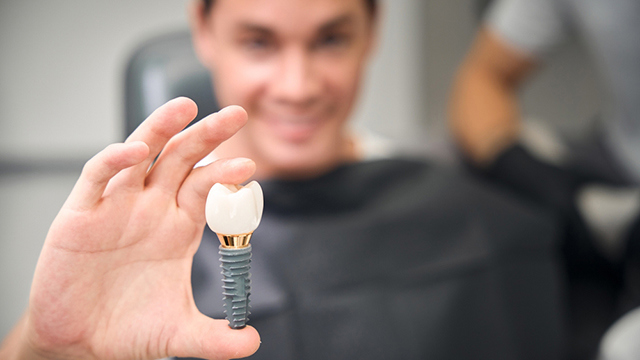
A standard dental implant surgically embeds a titanium fixture into the jawbone to replace a missing tooth root, then secures a custom-fitted crown on top through an intermediate abutment.
Learn More
Single-Visit Root Canal Treatment
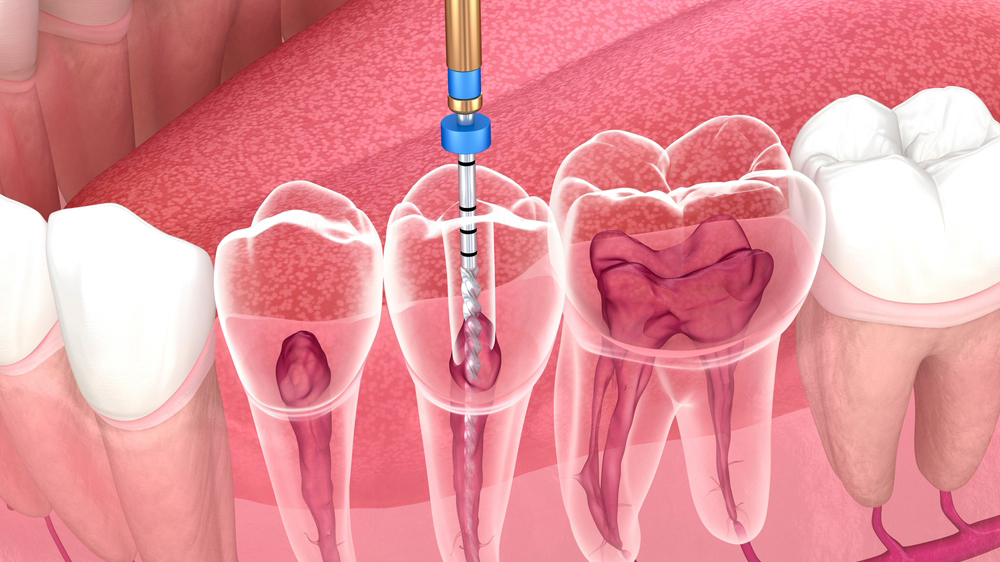
Single-visit root canal treatment is a procedure that removes infected or inflamed pulp tissue from inside a tooth and seals the resulting root canal system, completed within one appointment rather than staged across multiple visits.
Learn More
Inlay Restoration
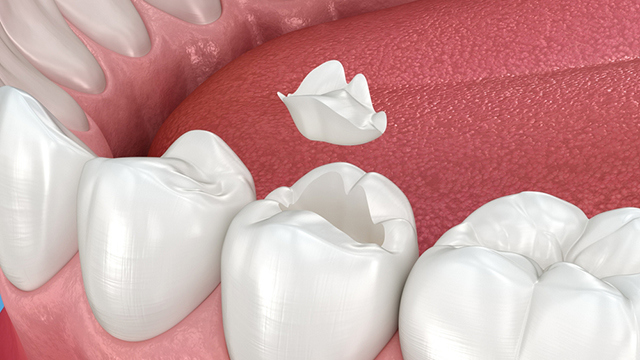
An inlay restoration fits a custom-fabricated piece precisely within the central area between a tooth's cusps, repairing moderate decay or damage without covering the cusps themselves or the whole tooth.
Learn More