Natural Tooth Preservation & Certified MINISH Dental Care in Magok, Seoul


Dental Implants · Needs Clinic Confirmation
Bone Grafting & Sinus Lift
Bone grafting is a procedure that adds bone or bone graft material to an area of the jaw with insufficient volume, while a sinus lift is a specific type of bone-augmentation procedure used in the upper jaw, where the sinus lining is carefully.
Schedule a ConsultationBone Grafting & Sinus Lift
Medically reviewed by Dr. Park Kyung Ran, Specialist in Oral and Maxillofacial Surgery, Magok Pureunmaeum Dental Clinic, Seoul
Bone grafting adds bone to an area of the jaw that does not have enough volume for a dental implant to be placed safely, while a sinus lift specifically raises the sinus membrane in the upper jaw and adds graft material underneath it to increase bone height where the maxillary sinus limits the space available. For patients researching a dental bone graft Seoul option, or a sinus lift Korea clinics can perform, these two procedures share the same underlying purpose: building up bone so that an implant has an adequate foundation to integrate into rather than being placed into bone that is too thin, too short, or otherwise insufficient. At Magok Pureunmaeum Dental Clinic, both procedures are planned with 3D CT diagnosis and performed by an implant surgeon whose training specifically covers this bone-preparation stage of implant treatment.
Not every patient who wants a dental implant currently has enough bone to support one. Bone naturally thins with age, can be worn down by trauma, and tends to be absorbed from the jaw over time once a tooth has been missing for an extended period. Rather than treating insufficient bone as a barrier to implant treatment, bone grafting and sinus lift procedures are used to correct it directly, so that implant bone augmentation Seoul patients need can be completed as a preparatory step within the same overall treatment plan.
What Are Bone Grafting and Sinus Lift Procedures?
Bone grafting is a procedure that adds bone or bone graft material to an area of the jaw with insufficient volume, while a sinus lift is a specific type of bone-augmentation procedure used in the upper jaw, where the sinus lining is carefully raised and graft material is placed underneath it to increase the height of usable bone.
- In general bone grafting, graft material is placed directly into the area of the jaw where bone volume or density is insufficient for implant placement.
- In a sinus lift, the sinus membrane is gently lifted, and bone graft material is placed in the space created beneath it, since the maxillary sinus sits directly above the back portion of the upper jaw and can limit how much bone is available for an implant in that area.
- A 3D CT scan is used before either procedure to provide a high-resolution digital view of jawbone density, root shape, sinus anatomy, and adjacent anatomical structures.
- Sinus augmentation is commonly performed under local anesthesia, with sedation considered when appropriate for the patient and the extent of the procedure.
- Bone maturation after grafting can take several months, after which an implant can be placed into the newly developed bone; in select cases, augmentation and implant placement can be performed during the same procedure.
These two procedures are frequently discussed together because they solve the same underlying problem — insufficient bone for implant placement — but they apply to different areas of the jaw and use somewhat different techniques suited to that anatomy.
The distinction matters for how a patient's treatment is planned. A lower-jaw bone deficiency is typically addressed with direct bone grafting into the affected site, while an upper-jaw deficiency near the back molars more often calls for a sinus lift, since the maxillary sinus sits directly above that portion of the jaw and physically limits how much bone height is available before augmentation. Identifying which situation applies — and sometimes a patient needs both, in different areas of the mouth — is precisely what the 3D CT evaluation at consultation is designed to determine.
Who Performs Bone Grafting and Sinus Lift Procedures at Magok Pureunmaeum Dental Clinic
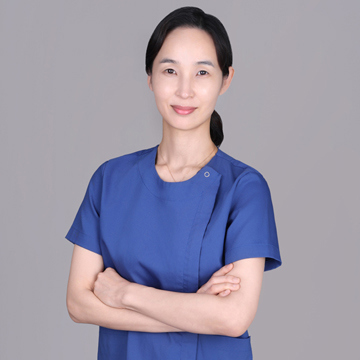
Dr. Park Gyeong-ran
Board-certified Oral & Maxillofacial Surgeon
Bone grafting and sinus lift procedures at Magok Pureunmaeum Dental Clinic are performed by Dr. Park Kyung Ran, Specialist in Oral and Maxillofacial Surgery. Dr. Park graduated from Yonsei University College of Dentistry and completed a formal internship and residency at Yonsei University Dental Hospital in the Department of Oral and Maxillofacial Surgery, a surgical training pathway that specifically includes procedures involving the jawbone, the maxillary sinus, and the soft tissue surrounding both — exactly the anatomical territory these procedures work within.
Dr. Park went on to complete both Master's and Doctoral programs in Oral and Maxillofacial Surgery and holds Fellow status in the field, along with Senior Board-Certified Membership in the Korean Association of Maxillofacial Plastic and Reconstructive Surgeons. For sinus lift procedures in particular, this depth of surgical training matters because working near the sinus membrane requires an accurate, three-dimensional understanding of its position and thickness before the membrane is ever touched — a judgment that depends directly on residency and doctoral-level surgical training in the maxillofacial region rather than general restorative experience alone.
Who Is a Good Candidate for Bone Grafting or a Sinus Lift?
- Patients with severe tooth damage or teeth that were extracted long ago, where the jawbone has begun to resorb in the absence of a tooth root to maintain it.
- Patients experiencing age-related bone loss, which naturally reduces jawbone density and volume over time.
- Patients who have experienced trauma to the jaw, or who naturally have thin jawbone, and need extra structural support before an implant can be placed.
Bone grafting and sinus lift procedures are not appropriate for every patient at every point in time. Patients with uncontrolled systemic disease, such as unmanaged diabetes or severe osteoporosis, heavy smokers, and patients with active sinus infections generally need those conditions addressed or managed first. Untreated periodontal disease is also resolved before bone grafting or a sinus lift is performed, since active gum disease affects the same tissue and healing capacity these procedures depend on.
What to Expect: Procedure, Recovery, and Results Timeline

The specific steps involved depend on which procedure is being performed and where in the jaw it is needed.
- A dental exam combined with 3D CT imaging evaluates the jawbone and sinus anatomy to determine whether augmentation is needed and, if so, which technique is appropriate.
- For a sinus lift, the sinus lining is carefully raised, and graft material is placed in the space created underneath it.
- For other bone grafting procedures, graft material is placed directly into the area of the jaw where bone volume is insufficient.
- Sinus augmentation is commonly performed under local anesthesia, with sedation possible when appropriate.
- Healing and bone maturation follow, during which the graft material integrates with the surrounding bone.
- Once adequate bone has developed, implant placement can proceed; in some cases, implant placement is performed at the same time as the augmentation procedure.
Stage | What happens | Typical timing |
|---|---|---|
Exam and imaging | 3D CT evaluation of jawbone and sinus anatomy | Consultation |
Graft or sinus lift procedure | Graft material placed directly, or sinus membrane lifted and grafted | Surgical visit |
Healing and bone maturation | Graft material integrates with surrounding bone | Several months in most cases |
Implant placement | Implant placed into the newly developed bone, once mature | After confirmed bone maturation, or same procedure in select cases |
Recovery time varies considerably depending on the procedure performed and the amount of bone needed. Sinus-lift grafts in particular may need several months of healing before an implant can be placed into the newly developed bone, though some cases allow the implant to be placed at the same time as the augmentation itself, when the clinical situation supports it. Because bone maturation is a biological process that cannot be shortened beyond what healing allows, the dentist confirms an individualized timeline once the extent of grafting needed has been assessed through imaging.
Following the surgeon's aftercare instructions and maintaining oral hygiene during this healing period matters throughout, and patients undergoing a sinus lift specifically may be given extra precautions to protect the sinus while it heals. Attending scheduled follow-up visits allows the dentist to confirm the graft is maturing as expected before moving forward with implant placement.
Combining Bone Grafting and Sinus Lift with Other Treatments
Bone grafting and sinus lift procedures exist specifically to prepare a patient for further treatment, and at Magok Pureunmaeum Dental Clinic they are typically planned as one stage within a broader implant treatment plan rather than as a standalone service:
- Standard implant placement, once the graft has matured and adequate bone volume is confirmed, using the same 3D CT-based planning applied throughout the patient's treatment.
- Periodontal treatment, when active gum disease needs to be resolved before or alongside bone augmentation, since periodontal health affects graft healing.
- Custom abutment fabrication, used once the implant stage is reached, to fit the eventual crown to the patient's healed gum contour.
A patient who begins treatment needing a sinus lift, for example, is not being routed to a separate, disconnected procedure — the augmentation and the eventual implant placement are managed as stages of the same coordinated plan.
Safety, Precision, and Clinic Standards
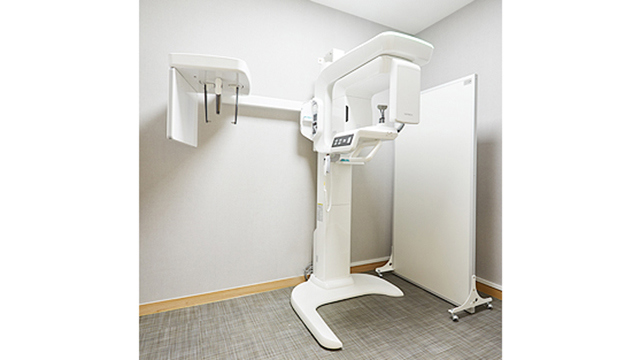
Magok Pureunmaeum Dental Clinic uses 3D CT precision diagnosis equipment to obtain high-resolution digital views of jawbone density, root shape, and adjacent anatomy — including sinus position and thickness — before recommending or performing bone grafting or a sinus lift. This upfront imaging is particularly important for procedures that work directly around the sinus membrane or near existing tooth roots and nerves, since the margin for error in these anatomically dense areas is smaller than in more straightforward implant sites. The clinic is a Registered Medical Institution for Attracting Foreign Patients, certified by Korea's Ministry of Health and Welfare under the Medical Overseas Expansion and Foreign Patients Attraction Act, and has operated under its stated natural-tooth-preservation philosophy since it was established in 2017.
This approach is consistent with guidance from the American Academy of Periodontology, which notes that sinus augmentation can raise the sinus floor and develop bone in the upper back jaw — an area that has traditionally been difficult for implant placement — and that bone-grafting techniques that lift the maxillary sinus floor have become one of the most predictable and cost-effective ways to prepare patients with bone loss for implant treatment, with implant success rates in grafted sinus bone reported as comparable to those placed in native bone. Cleveland Clinic similarly describes dental bone grafting as a common procedure used to provide a strong foundation for dental implants, rebuild a jaw affected by trauma or gum disease, and increase jawbone width and volume, noting that recognized risks include infection, nerve involvement, and graft-site complications that vary by technique and individual patient factors.
Because bone grafting and sinus lift procedures are, by design, a preparatory step rather than the final restoration, their success is measured specifically by whether they create a stable enough foundation for the implant that follows — which is why the clinic treats imaging-based planning, not just surgical technique, as central to getting this stage right. For an international patient in particular, having this preparatory stage assessed accurately at the outset reduces the likelihood of an unexpected delay discovered only once treatment has already begun.
The Bottom Line
- Bone grafting adds bone to an area with insufficient volume, while a sinus lift raises the sinus membrane and adds graft material to increase bone height in the upper jaw.
- At Magok Pureunmaeum Dental Clinic, both procedures are performed by Dr. Park Kyung Ran, a Fellow in Oral and Maxillofacial Surgery with residency, Master's, and Doctoral-level surgical training.
- Good candidates include patients with age-related bone loss, long-standing missing teeth, trauma, or naturally thin jawbone; uncontrolled systemic disease, heavy smoking, and active infection generally need to be addressed first.
- Healing and bone maturation commonly take several months before implant placement, though some cases allow augmentation and implant placement in the same procedure.
- Individual suitability and outcomes vary, and bone grafting and sinus lift procedures can increase available bone to facilitate implant placement when existing bone is insufficient.
Frequently Asked Questions
What is the difference between bone grafting and a sinus lift? Bone grafting is the general procedure of adding bone or graft material to an area of the jaw with insufficient volume. A sinus lift is a specific type of bone grafting used in the upper jaw, where the sinus membrane is raised and graft material is placed underneath it to increase bone height in that region.
How do I know if I need a bone graft or sinus lift before an implant? This is determined through a dental exam combined with 3D CT imaging, which evaluates jawbone density, volume, and — for upper-jaw cases — the position of the maxillary sinus. The evaluation shows whether existing bone is sufficient for implant placement or whether augmentation is needed first.
Is a sinus lift painful? Sinus augmentation is commonly performed under local anesthesia, with sedation considered when appropriate. As with any oral surgical procedure, some swelling, bleeding, or discomfort during healing is a recognized possibility, and the surgeon will discuss what to expect for the specific technique used.
How long does healing take before an implant can be placed? Healing time varies by procedure and by how much bone is needed. Sinus-lift grafts in particular may need several months of maturation before an implant can be placed, though some cases allow the implant to be placed at the same time as the graft when the clinical situation supports it.
Are there risks with bone grafting or sinus lift procedures? Recognized risks include swelling, bleeding, infection, graft-related problems, and, specifically for sinus lifts, perforation of the sinus membrane. Risk levels vary depending on the technique used and individual patient factors, and these are discussed during the consultation.
Who is not a good candidate for these procedures? Patients with uncontrolled systemic disease such as unmanaged diabetes or severe osteoporosis, heavy smokers, and patients with active sinus infections generally need those conditions addressed first. Untreated periodontal disease is also resolved before bone grafting or a sinus lift is performed.
Can the implant be placed at the same time as the bone graft? In selected cases, yes — augmentation and implant placement can be done in the same procedure when the clinical situation allows it. In other cases, the graft needs to heal and mature for several months before an implant can be safely placed.
What determines long-term success after bone grafting or a sinus lift? Long-term results depend on successful healing of the graft, on ongoing oral hygiene and dental care, and on attending follow-up visits so the surgeon can confirm the bone has matured appropriately before and after implant placement.
Book a Consultation at Magok Pureunmaeum Dental Clinic
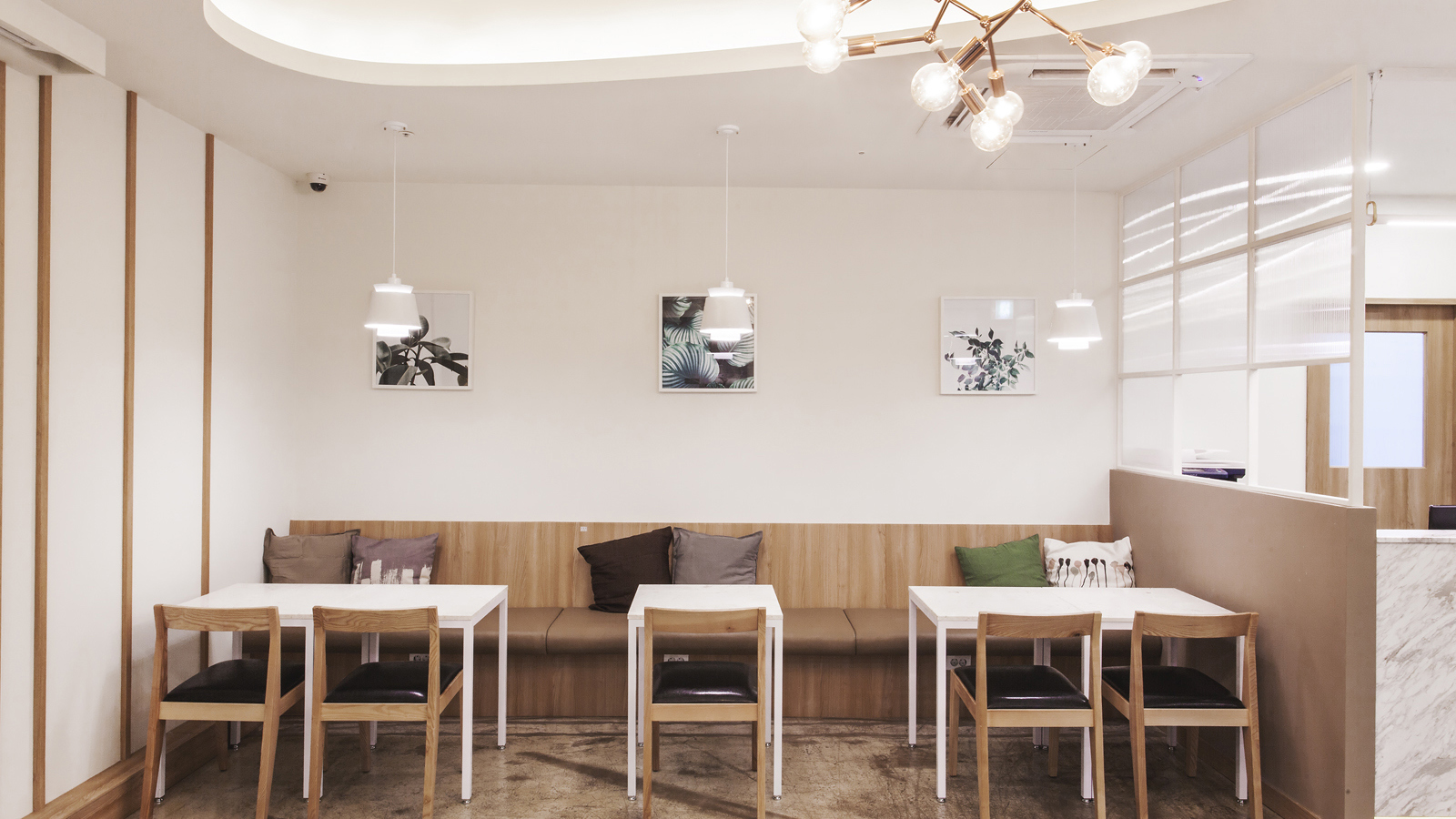
To find out whether bone grafting or a sinus lift is needed to prepare your jawbone for a dental implant, schedule a consultation at Magok Pureunmaeum Dental Clinic in Seoul. The clinic is located on the 3rd Floor, Woosung SB Tower, 385 Gangseo-ro, Gangseo-gu, Seoul, near Exit 2 of Balsan Station, and is open Monday, Wednesday, Thursday, and Friday from 9:30 AM to 6:30 PM, Tuesday from 9:30 AM to 8:30 PM, and Saturday from 9:30 AM to 2:00 PM, with no lunch break; the clinic is closed Sundays and public holidays. To arrange an appointment, visit the clinic's contact page.
Disclaimer
This page is for general informational purposes and does not constitute individualized medical advice. Candidacy, technique, and expected outcomes can only be determined through a consultation with a qualified physician.
Sources & Further Reading
Other Dental Services
Explore additional tooth-preserving and restorative procedures.
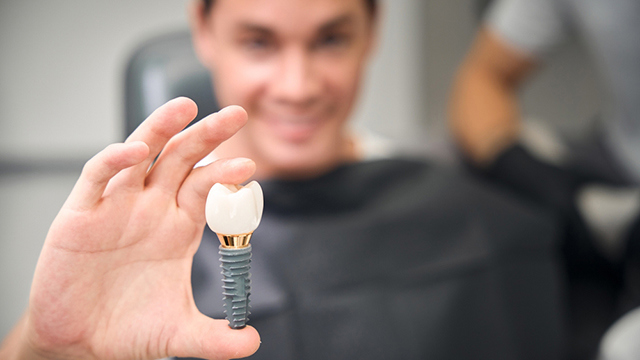
Standard Implants
A standard dental implant surgically embeds a titanium fixture into the jawbone to replace a missing tooth root, then secures a custom-fitted crown on top through an intermediate abutment.
Learn More
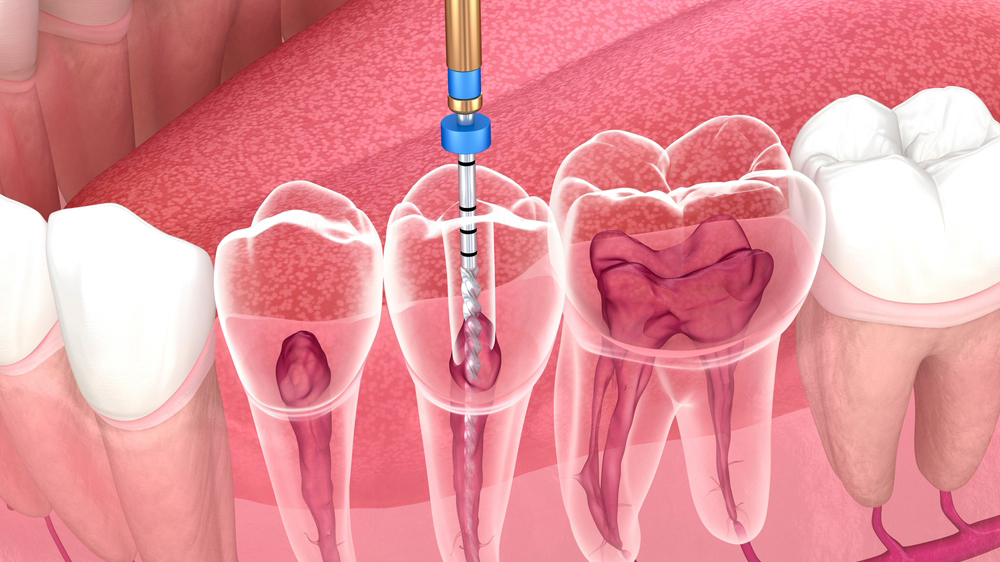
Single-Visit Root Canal Treatment
Single-visit root canal treatment is a procedure that removes infected or inflamed pulp tissue from inside a tooth and seals the resulting root canal system, completed within one appointment rather than staged across multiple visits.
Learn More
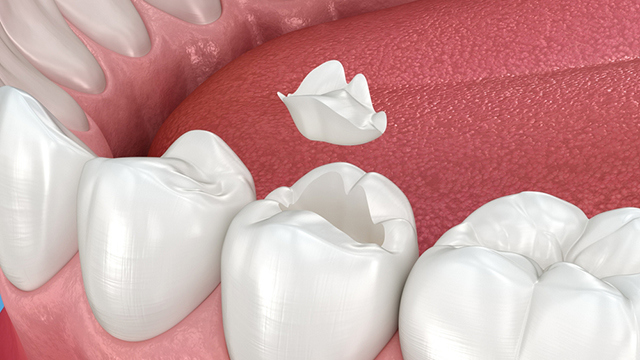
Inlay Restoration
An inlay restoration fits a custom-fabricated piece precisely within the central area between a tooth's cusps, repairing moderate decay or damage without covering the cusps themselves or the whole tooth.
Learn More