Natural Tooth Preservation & Certified MINISH Dental Care in Magok, Seoul


Specialty Overview
TMJ Treatment
TMJ treatment addresses disorders of the temporomandibular joint — the joint connecting the jawbone to the skull.
Schedule a ConsultationTMJ Treatment

Medically reviewed by Dr. Park Hyo Jin, Specialist in Conservative Dentistry / Director, Magok Pureunmaeum Dental Clinic, Seoul
TMJ treatment addresses disorders of the temporomandibular joint — the joint connecting the jawbone to the skull — through conservative exam-based diagnosis and management aimed at relieving jaw pain, clicking, popping, or limited movement. Patients searching for TMJ treatment in Seoul are typically dealing with ongoing jaw discomfort, an audible click or pop when they chew or open their mouth wide, or a jaw that feels stiff or occasionally catches, and many trace the problem back to grinding or clenching their teeth. At Magok Pureunmaeum Dental Clinic, TMJ-related symptoms are evaluated within the same conservative, natural-tooth-preservation philosophy the clinic has followed since it opened in 2017, using a clinical exam and, when needed, digital X-ray or 3D CT imaging to identify what is actually driving the joint or muscle symptoms before any management plan is proposed. Because jaw symptoms can have more than one contributing cause at once — a grinding habit combined with a joint misalignment, for example — the evaluation is built to separate those factors rather than assume a single explanation applies.
What Is TMJ Treatment?
TMJ treatment is the clinical process of diagnosing and managing disorders of the temporomandibular joint with the goal of reducing pain, clicking or popping sounds, jaw stiffness, and limited jaw movement. Rather than a single fixed procedure, it is a diagnostic and conservative-management pathway built around identifying what is contributing to a specific patient's symptoms before deciding how to address them.
- Addresses pain, clicking/popping sounds, jaw locking, or limited jaw movement originating in the temporomandibular joint.
- Frequently connected to bruxism (teeth grinding or clenching) or joint misalignment as contributing factors.
- Begins with a clinical exam and history, adding imaging such as digital X-ray or 3D CT when needed to rule out other causes.
- Relies on conservative management — behavioral guidance, an occlusal or night guard, or bite adjustment — as the starting point rather than invasive intervention.
- Distinguishes TMJ-related jaw pain from pain caused by an unrelated dental infection or systemic condition, which needs its own diagnosis and treatment.
Who Performs TMJ Treatment at Magok Pureunmaeum Dental Clinic

Dr. Park Hyo Jin
Specialist in Conservative Dentistry
TMJ-related symptoms at Magok Pureunmaeum Dental Clinic are evaluated by Dr. Park Hyo Jin, Director of the clinic and a Specialist in Conservative Dentistry with more than 22 years of clinical experience. Dr. Park holds a Master's Degree in Dentistry from Wonkwang University Graduate School and is a full member of the Korean Academy of Conservative Dentistry, the Korean Academy of Endodontics, the Korean Academy of Esthetic Dentistry, and the Minish Biomimetic Dentistry Society, in addition to being a Certified Minish Provider. Because jaw pain and clicking are frequently tied to bite relationships, worn or damaged teeth, and grinding habits, a background in conservative dentistry — the discipline centered on preserving and carefully managing natural tooth structure and function — is directly relevant to how TMJ-related symptoms are examined and managed at this clinic. Dr. Park's evaluation of TMJ symptoms draws on this same conservative, exam-first approach rather than treating the jaw joint as a structure isolated from the bite and teeth it works with every day. The Foundation materials for this clinic do not list a separate orofacial-pain or TMJ-specialist credential beyond this conservative dentistry background, so TMJ care here is provided as part of that broader restorative and conservative dental expertise rather than as a distinct sub-specialty. In practice, this means the same clinician who assesses whether a worn or damaged tooth can be conservatively restored is also the clinician assessing whether a patient's jaw pain is connected to that same bite relationship, which keeps the two assessments consistent with one another rather than handled by unrelated providers with no shared view of the case.
TMJ Treatment Approaches at This Clinic
The clinic's TMJ Disorder Diagnosis & Treatment service is where this conservative-management approach is applied in practice, covering the diagnostic exam, imaging when clinically indicated, and the occlusal or behavioral management plan described in this page's procedure section below. Patients considering TMJ treatment at Magok Pureunmaeum Dental Clinic can review that service page for a closer look at the visit-by-visit sequence used to reach a management plan.
Who Is a Good Candidate for TMJ Treatment?

- Patients with persistent jaw pain that does not resolve on its own.
- Patients who notice clicking or popping in the jaw joint when chewing or opening their mouth.
- Patients experiencing jaw stiffness or occasional locking that limits how wide they can open their mouth.
- Patients with headaches or facial pain that appears connected to jaw tension or dysfunction.
- Patients with diagnosed bruxism (teeth grinding or clenching) that appears to be straining the jaw joint.
TMJ treatment at this clinic is not the right starting point for pain that is ultimately traced to an unrelated dental infection or another systemic condition — those need to be diagnosed and addressed on their own terms as a separate matter. Cases involving severe structural joint disease may also need referral for advanced imaging or specialist management beyond what routine conservative dental care can offer. Which category a given patient falls into can only be confirmed through a clinical exam.
What to Expect: Procedure, Recovery, and Results Timeline
A TMJ evaluation begins with a clinical exam and a review of the patient's history, focusing on when the pain or clicking occurs, what makes it better or worse, and whether teeth grinding or clenching is part of the pattern. The clinician checks jaw movement, listens for joint sounds, and palpates the surrounding muscles for tenderness during this exam. Imaging — digital X-ray or 3D CT — is added when needed to assess the joint itself and rule out a dental or other structural cause for the symptoms. Once the exam and any imaging are complete, the findings are used to identify which factors are contributing to the symptoms, such as bruxism, joint misalignment, or muscle tension. A conservative management plan is then built around those specific findings, which may include behavioral guidance on jaw habits, an occlusal or night guard, or a bite adjustment. Anesthesia is generally not required for either the diagnostic exam or for conservative management itself. Because the plan is conservative rather than surgical, there is typically no real downtime afterward. Symptom improvement, when it occurs, typically develops over days to weeks as the joint and surrounding muscles adjust to the management plan, rather than all at once.
Stage | What Happens |
|---|---|
1. Clinical exam & history | Jaw movement, joint sounds, muscle tenderness, and grinding/pain history are reviewed |
2. Imaging (as needed) | Digital X-ray or 3D CT assesses the joint and rules out other causes |
3. Diagnosis | Contributing factors such as bruxism, joint misalignment, or muscle tension are identified |
4. Conservative management plan | Behavioral guidance, an occlusal/night guard, or bite adjustment is set up based on findings |
5. Recovery | No real downtime; symptom improvement typically develops over days to weeks |
Before any plan is finalized, the clinician relies on the exam and, where used, the imaging findings rather than symptoms alone, since two patients with similar-sounding jaw pain can have different underlying contributing factors. Consistent use of any prescribed night guard or appliance, together with a scheduled follow-up to reassess symptoms, is part of how the plan is expected to be carried out. During any flare-up, avoiding hard or chewy foods and habits that strain the jaw — such as wide yawning, nail-biting, or gum chewing — is part of standard aftercare. Many patients experience symptom improvement with consistent conservative management, though long-term success depends on addressing contributing habits like grinding or clenching and attending follow-up visits as scheduled. No specific outcome or exact timeline can be promised in advance, since the pace of improvement depends on how much muscle tension or joint strain was present to begin with and how consistently the management plan is followed at home between visits.
Combining TMJ Treatment with Other Treatments
- Management of bruxism or night-time teeth grinding, since this is one of the most common contributing factors to TMJ symptoms.
- Periodontal care, when gum health needs to be addressed alongside a bite issue that is contributing to joint strain.
- Restorative care, when worn or damaged teeth from grinding are part of what is straining the joint and need to be addressed alongside the TMJ management plan.
Because a night guard or bite adjustment is designed to work with the teeth and bite that are already present, any of these combinations is planned around the same exam findings used to build the TMJ management plan itself, rather than treated as an unrelated add-on decided separately. Which combination, if any, applies to a given patient depends entirely on what the initial exam and any imaging show.
Safety, Precision, and Clinic Standards
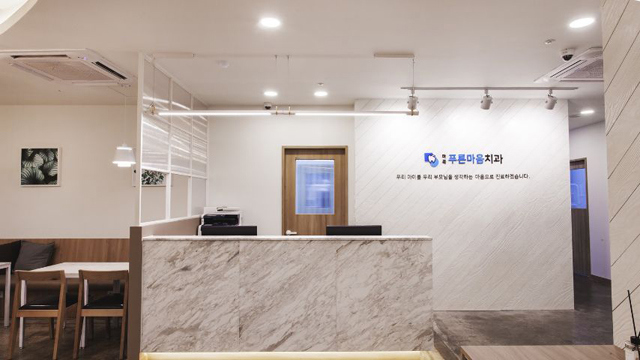
Magok Pureunmaeum Dental Clinic uses digital X-ray and 3D CT imaging clinic-wide, including for evaluating the jaw joint when a TMJ case calls for it. The clinic is a Registered Medical Institution for Attracting Foreign Patients, certified by Korea's Ministry of Health and Welfare under the Medical Overseas Expansion and Foreign Patients Attraction Act, and holds Business Registration No. 345-60-00227. The clinic has followed a natural-tooth-preservation philosophy since it was established in 2017, which is consistent with starting TMJ management with conservative, non-invasive options before anything more invasive is considered. According to the National Institute of Dental and Craniofacial Research (NIDCR), part of the U.S. National Institutes of Health, experts recommend conservative treatments for temporomandibular disorders and generally advise avoiding treatments that permanently change the jaw joints, teeth, or bite. The American Association of Oral and Maxillofacial Surgeons similarly describes a collaborative, stepped approach to TMJ care in which non-invasive options such as exercises and splints are typically tried before more invasive procedures are considered. These external clinical standards are consistent with the conservative, exam-first sequence this clinic follows for TMJ-related symptoms. Cleveland Clinic's patient-facing overview of TMJ disorders likewise describes diagnosis as starting with a physical exam of jaw movement and joint tenderness, adding imaging such as dental X-rays or CT scans only when needed — the same order of operations used for TMJ evaluation at this clinic.
The Bottom Line
- TMJ treatment addresses jaw pain, clicking/popping, stiffness, or limited movement in the temporomandibular joint, often connected to bruxism or joint misalignment.
- At Magok Pureunmaeum Dental Clinic, TMJ-related symptoms are evaluated by Dr. Park Hyo Jin, Specialist in Conservative Dentistry with more than 22 years of clinical experience.
- Good candidates have persistent jaw pain, clicking, stiffness, or diagnosed bruxism; pain from an unrelated dental infection or systemic condition needs its own diagnosis.
- Care follows a conservative sequence — exam, imaging as needed, diagnosis, and a tailored management plan — with no real downtime.
- TMJ management is often combined with bruxism control and, when relevant, restorative or periodontal care to protect the joint long-term.
Frequently Asked Questions
What exactly does TMJ treatment involve? It involves a clinical exam of jaw movement, joint sounds, and muscle tenderness, along with a review of pain patterns and grinding habits. Imaging such as digital X-ray or 3D CT is added when needed, after which a conservative management plan — often behavioral guidance, a night guard, or a bite adjustment — is built around the findings.
How do I know if my jaw pain is a TMJ disorder and not something else? Persistent jaw pain, clicking or popping when chewing or opening your mouth, jaw stiffness or occasional locking, and jaw-related headaches are the typical signs a clinician looks for. Because pain can also come from an unrelated dental infection or another condition, a clinical exam is needed to confirm the cause before starting TMJ-specific management.
Will I need surgery for a TMJ disorder? Routine TMJ care at this clinic is conservative — exam-based diagnosis followed by non-invasive management such as a night guard, bite adjustment, or behavioral guidance. Severe structural joint disease is not addressed with routine conservative dental care and may need referral for advanced imaging or specialist management instead.
Do I need anesthesia for TMJ treatment? Anesthesia is generally not required for either the diagnostic exam or for conservative management such as a night guard or bite adjustment. This is one of the reasons conservative TMJ management carries minimal risk compared with more invasive procedures.
How long does it take to feel better? Conservative TMJ management typically involves no real downtime, but symptom improvement usually develops over days to a few weeks as the joint and muscles adjust. How quickly symptoms ease also depends on how consistently any prescribed appliance is used and whether contributing habits, like grinding, are also addressed.
Can teeth grinding cause TMJ problems? Yes — bruxism, or teeth grinding and clenching, is one of the most common contributing factors to jaw pain, clicking, and joint strain. Because of this, TMJ management is frequently combined with bruxism control, such as consistent night guard use, rather than treated as a separate, unrelated issue.
What happens if my TMJ symptoms come back after treatment? Recurrence usually points to a contributing habit, such as grinding or clenching, that was not fully addressed, or to inconsistent use of a prescribed appliance. A follow-up visit lets the clinician reassess the joint and adjust the management plan rather than starting over from scratch, since the original diagnosis and management approach generally still applies and simply needs to be refined.
What should I bring to my first TMJ consultation? Bringing a clear description of when the pain, clicking, or stiffness started, what makes it better or worse, and whether you grind or clench your teeth helps the exam move efficiently. Any prior imaging, dental records, or a night guard you already use is also useful for the clinician to review during the visit.
Book a Consultation at Magok Pureunmaeum Dental Clinic
If jaw pain, clicking, or stiffness has been bothering you, the next step for TMJ treatment in Seoul is an in-person clinical exam to identify what is contributing to your symptoms. Magok Pureunmaeum Dental Clinic is located on the 3rd Floor, Woosung SB Tower, 385 Gangseo-ro, Gangseo-gu, Seoul, near Exit 2 of Balsan Station, and is open Monday, Wednesday, Thursday, and Friday from 9:30 AM to 6:30 PM, Tuesday from 9:30 AM to 8:30 PM, and Saturday from 9:30 AM to 2:00 PM, with no lunch break; the clinic is closed Sundays and public holidays. To schedule a consultation, visit the clinic's contact page.
Disclaimer
This page is for general informational purposes and does not constitute individualized medical advice. Candidacy, technique, and expected outcomes can only be determined through a consultation with a qualified physician.
Sources & Further Reading
Related Services
Procedures offered across our dental departments.
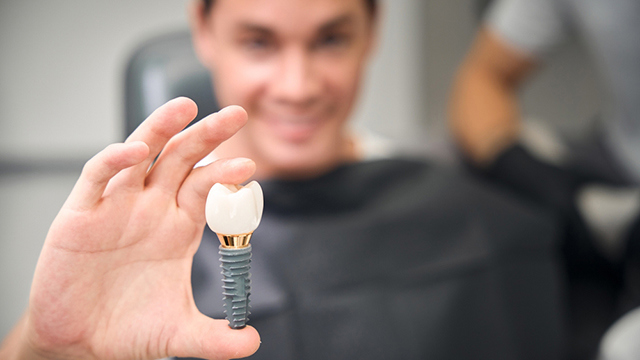
Standard Implants
A standard dental implant surgically embeds a titanium fixture into the jawbone to replace a missing tooth root, then secures a custom-fitted crown on top through an intermediate abutment.
Learn More
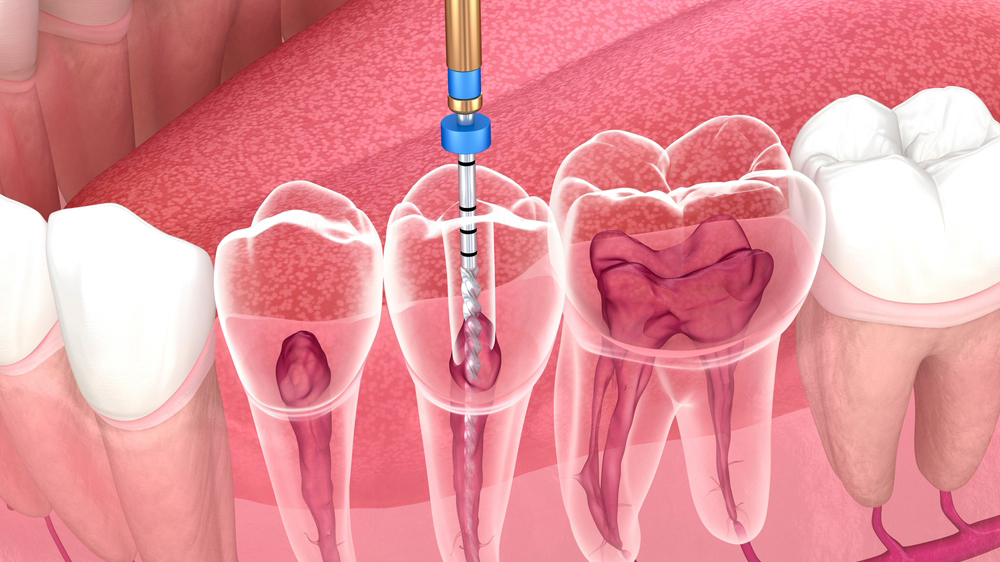
Single-Visit Root Canal Treatment
Single-visit root canal treatment is a procedure that removes infected or inflamed pulp tissue from inside a tooth and seals the resulting root canal system, completed within one appointment rather than staged across multiple visits.
Learn More
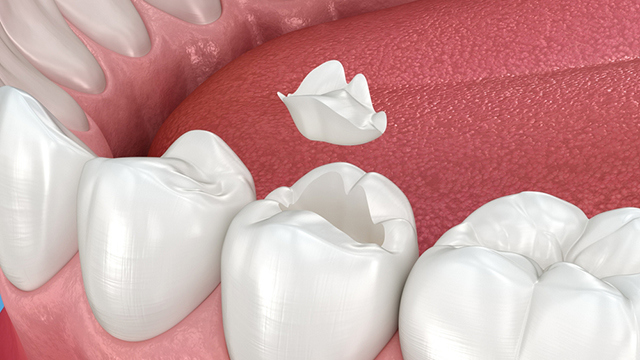
Inlay Restoration
An inlay restoration fits a custom-fabricated piece precisely within the central area between a tooth's cusps, repairing moderate decay or damage without covering the cusps themselves or the whole tooth.
Learn More