Natural Tooth Preservation & Certified MINISH Dental Care in Magok, Seoul


Specialty Overview
Oral & Maxillofacial Surgery
Oral and maxillofacial surgery is the surgical specialty that addresses complex conditions of the teeth, jaw, and facial structures, including impacted teeth, jaw abnormalities, and facial trauma or pathology.
Schedule a ConsultationOral & Maxillofacial Surgery

Medically reviewed by Dr. Park Kyung Ran, Specialist in Oral and Maxillofacial Surgery, Magok Pureunmaeum Dental Clinic, Seoul
Oral and maxillofacial surgery is the surgical specialty that addresses complex conditions of the teeth, jaw, and facial structures, including impacted teeth, jaw abnormalities, and facial trauma or pathology. For patients dealing with an impacted wisdom tooth, a complex extraction that general dentistry cannot safely complete, or a jaw irregularity affecting bite and function, an oral maxillofacial surgeon Seoul patients search for is often the difference between a routine recovery and a complicated one. At Magok Pureunmaeum Dental Clinic, oral surgery Korea patients and international visitors alike request is planned around the clinic's founding philosophy of preserving natural teeth wherever possible, so surgery — including the wisdom tooth extraction Seoul residents most commonly seek from this specialty — is recommended only after conservative alternatives have been carefully weighed.
Unlike general dentistry, which manages the everyday health of teeth and gums, oral and maxillofacial surgery deals specifically with conditions that require a surgical solution: teeth trapped beneath the gum or jawbone, roots positioned close to nerves or sinuses, and jaw structures that need correction beyond what fillings, cleanings, or orthodontic adjustment can achieve. Because these conditions sit at the intersection of dentistry and surgery, the specialty depends heavily on precise diagnostic imaging before any irreversible step is taken.
For an international patient comparing options for jaw surgery Seoul clinics provide, or trying to understand what an impacted wisdom tooth actually involves, the practical question is rarely whether oral surgery is available — most Korean dental clinics offer some form of extraction service. The more important question is whether the clinic treats 3D CT surgical planning as a standard step before every procedure, or only for the most complicated cases. That distinction affects how accurately a surgeon can map a tooth's position relative to nearby nerves before making the first incision, and it can influence how many follow-up visits, if any, a patient needs after they return home.
Recovery from oral surgery also raises questions specific to international patients that a general dentistry visit does not. How long should someone plan to stay in Korea after a wisdom tooth extraction before flying home. What symptoms during the first week are ordinary healing, and which ones warrant contacting the clinic sooner. Because oral and maxillofacial procedures are surgical rather than restorative, the answers depend more on the complexity of the individual case than on a fixed rule, which is one reason a pre-surgical consultation and imaging review matter as much for planning a trip as for planning the surgery itself.
What Is Oral & Maxillofacial Surgery?
Oral and maxillofacial surgery is the surgical specialty that treats complex conditions of the teeth, jaw, and facial structures — including impacted or partially erupted teeth, jaw abnormalities, and facial trauma or pathology — using surgical techniques that general dentistry does not typically perform.
- It covers a spectrum of care, from extracting a single impacted wisdom tooth to correcting more involved jaw or facial bone irregularities.
- Diagnosis in this specialty relies on 3D-CT imaging and panoramic X-rays to evaluate a tooth's exact position, its proximity to nerves and roots, and the surrounding jawbone structure before any surgical plan is finalized.
- Surgery in this field is performed under local anesthesia in most cases, with sedation or general anesthesia available for more complex procedures or for patients who are especially anxious.
- The specialty is built around a conservative-first mindset: surgical removal or correction is recommended only after non-surgical options have been evaluated and ruled out for the individual case.
- Recovery is typically staged, with initial swelling and discomfort easing within days and complete soft-tissue healing taking longer depending on the complexity of the procedure performed.
Who Performs Oral & Maxillofacial Surgery at Magok Pureunmaeum Dental Clinic
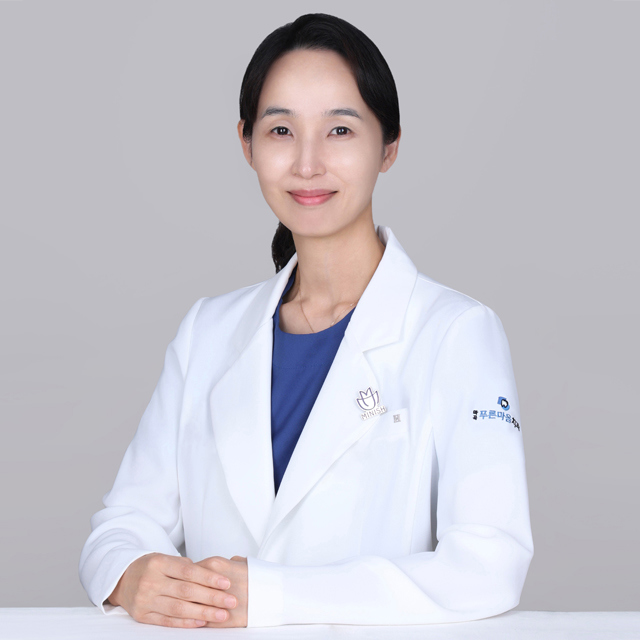
Dr. Park Kyung Ran
Specialist in Oral and Maxillofacial Surgery
Oral and maxillofacial surgery at Magok Pureunmaeum Dental Clinic is performed by Dr. Park Kyung Ran, a Specialist in Oral and Maxillofacial Surgery and a graduate of Yonsei University College of Dentistry, one of Korea's most established dental training institutions. Dr. Park completed both internship and residency training at Yonsei University Dental Hospital's Department of Oral and Maxillofacial Surgery, the formal surgical training pathway that distinguishes a dedicated oral surgeon from a general dentist who performs occasional extractions. Beyond residency, Dr. Park completed Master's and Doctoral programs specifically in Oral and Maxillofacial Surgery and holds Fellow status in the specialty, reflecting an extended period of advanced academic and clinical training focused on surgical management of the teeth, jaw, and facial structures.
Dr. Park also holds Senior Board-Certified Membership in the Korean Association of Maxillofacial Plastic and Reconstructive Surgeons, a professional distinction that reflects ongoing standing within Korea's maxillofacial surgery community at a senior level. For a patient considering an impacted wisdom tooth extraction or a more complex oral surgical procedure, this combination of hospital-based residency training, doctoral-level specialization, and senior board certification means the surgical decision-making behind their treatment plan is grounded in training specific to oral and maxillofacial conditions, rather than general dental experience alone.
Oral Surgery Services at This Clinic
Wisdom tooth extraction is the primary oral surgery service Dr. Park provides at Magok Pureunmaeum Dental Clinic, covering impacted, partially erupted, and problematically positioned third molars. Patients considering this procedure can find a detailed breakdown of what to expect on the clinic's dedicated Wisdom Tooth Extraction service page.
Who Is a Good Candidate for Oral & Maxillofacial Surgery?

- Patients with impacted or partially erupted wisdom teeth that are causing pain, infection, or a risk of future problems.
- Patients who need a complex tooth extraction that is not suitable for treatment in a general dentistry setting.
- Patients with jaw irregularities that require surgical correction rather than restorative or orthodontic treatment alone.
- Patients whose diagnostic imaging shows a tooth positioned in a way that requires careful surgical planning around a nerve or the jawbone.
- Patients in generally stable health who can safely undergo local anesthesia, or sedation/general anesthesia when the case requires it.
Some patients are not suitable candidates for surgery until an underlying condition is addressed first. Uncontrolled systemic conditions, such as severe uncontrolled diabetes or a bleeding disorder, generally need to be medically stabilized before oral surgery is scheduled. In select cases, an active acute infection may need prior antibiotic management before the surgical procedure itself can proceed safely. Because these factors vary from patient to patient, final candidacy is always confirmed through consultation and diagnostic imaging at the clinic rather than decided in advance.
What to Expect: Procedure, Recovery, and Results Timeline
Oral and maxillofacial surgery at Magok Pureunmaeum Dental Clinic follows a consistent sequence, adapted to the complexity of the individual case.
- Diagnostic imaging — 3D-CT and panoramic X-ray — is used first to assess the tooth's position and its risk relative to nearby nerves and jawbone structure.
- Based on that imaging, the surgical approach is planned before the patient enters the procedure room.
- Anesthesia is administered: local anesthesia is standard, while sedation or general anesthesia is considered for more complex cases or anxious patients.
- The surgeon gains surgical access to the tooth or tissue and carefully removes it.
- The surgical site is cleaned and, when needed, sutured to support healing.
- Post-operative instructions are given before the patient leaves, covering pain management, diet, and activity restrictions.
Stage | What happens | Typical timing |
|---|---|---|
Diagnostic imaging | 3D-CT and panoramic X-ray assess tooth position and nerve/root proximity | Before surgery is planned |
Anesthesia | Local anesthesia standard; sedation or general anesthesia for complex/anxious cases | Immediately before the procedure |
Surgical removal | Access, careful removal of the tooth or tissue, site cleaning and suturing | Day of surgery |
Early recovery | Swelling and discomfort, generally improving day by day | First few days after surgery |
Continued healing | Soft-tissue healing continues | Within a week for most symptoms; several weeks for full healing depending on complexity |
The exact duration of the procedure itself varies considerably, from a straightforward single-tooth extraction to a more involved surgical case, and the surgeon confirms the expected timeline once diagnostic imaging has been reviewed. In the days immediately following surgery, some swelling, bruising, and temporary numbness are a normal and expected part of recovery, particularly if the surgical site was close to a nerve. These symptoms typically improve gradually over the first week. Full soft-tissue healing at the surgical site can take longer — often several weeks — depending on how complex the original procedure was.
Preparation for surgery generally includes the pre-surgical 3D-CT imaging described above, a review of the patient's medical history, and a discussion of anesthesia options suited to the individual case. Aftercare instructions typically include prescribed pain management, cold compresses to control swelling, a soft diet in the initial recovery period, and avoiding strenuous activity and smoking while the surgical site heals. A follow-up visit is scheduled to confirm that healing is progressing as expected. Because oral and maxillofacial surgery carries the same general surgical risks as any procedure — swelling, bruising, temporary numbness, bleeding, infection, dry socket, or delayed healing — patients are advised of these possibilities during the consultation, before surgery is scheduled, so expectations are set accurately from the start.
Long-term outcomes from oral and maxillofacial surgery generally reflect successful resolution of the condition that made surgery necessary in the first place — for example, removal of an impacted tooth that was causing pain or infection risk. How well that outcome holds up over time depends significantly on how closely the patient follows post-operative care instructions and attends the recommended follow-up visit, since both influence how smoothly the surgical site heals.
Combining Oral Surgery with Other Treatments
Oral and maxillofacial surgery does not always stand alone as a treatment. Depending on the individual case, it may be planned alongside other dental care at Magok Pureunmaeum Dental Clinic:
- Periodontal treatment, when gum health around a tooth being extracted or a surgical site needs to be evaluated or treated as part of the same overall plan.
- Implant placement, in cases where an extraction is performed specifically to prepare a site for a future dental implant, rather than as a standalone procedure.
Combining oral surgery with related treatment in this way allows the surgical plan and any follow-on restorative work to be coordinated from the outset, rather than treated as separate, disconnected steps.
Safety, Precision, and Clinic Standards
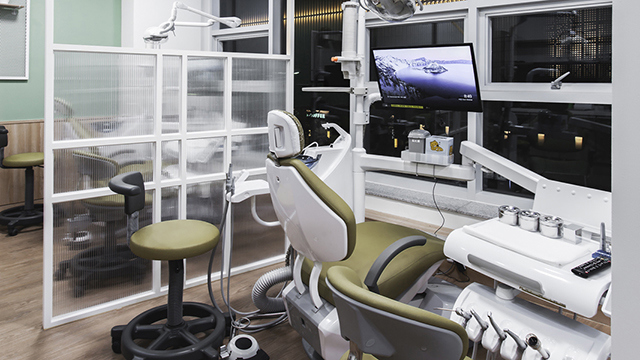
Magok Pureunmaeum Dental Clinic uses 3D-CT surgical planning as a standard part of its diagnostic process for oral and maxillofacial surgery, allowing the surgeon to evaluate tooth position and nerve proximity in three dimensions before any incision is made. This approach is intended to reduce the risk of nerve or root damage during extraction or other surgical procedures. The clinic is a Registered Medical Institution for Attracting Foreign Patients, certified by Korea's Ministry of Health and Welfare under the Medical Overseas Expansion and Foreign Patients Attraction Act, a government-administered registration system that, as of March 2025, covers thousands of medical institutions and agencies nationwide and requires mandatory medical malpractice liability insurance. This registration status means the clinic operates under a legal framework specifically designed to hold institutions treating international patients to defined standards of accountability.
Beyond the clinic's own imaging protocols and government registration, the surgical approach to wisdom tooth management reflected at this clinic is consistent with guidance published by the American Association of Oral and Maxillofacial Surgeons (AAOMS), the U.S. professional association representing oral and maxillofacial surgeons, which advises that wisdom teeth generally warrant removal when they present with dental pain, poor oral hygiene, infection, gum disease, cavities, cysts or other pathology, or damage to neighboring teeth — and that advanced imaging is a recognized part of assessing wisdom teeth before treatment. That same emphasis on imaging-supported, condition-specific decision-making, rather than routine removal of every wisdom tooth regardless of its condition, underlies the clinic's approach to surgical planning.
Precision in imaging matters especially in this specialty because oral and maxillofacial procedures are, by nature, difficult to reverse once performed. A tooth positioned close to a nerve carries a materially different risk profile than one that is not, and that distinction is only visible with adequate three-dimensional imaging beforehand. For international patients who may not be able to easily return for a follow-up visit after leaving Korea, this upfront precision is one of the more consequential aspects of how the clinic manages surgical risk.
Clinic-wide use of digital diagnostic systems, rather than imaging reserved only for unusually difficult cases, also means the same standard of pre-surgical planning applies whether a patient is scheduled for a single impacted wisdom tooth or a more involved surgical case. That consistency is part of why the clinic frames 3D-CT imaging as a routine element of its oral and maxillofacial surgery workflow rather than an optional upgrade.
The Bottom Line
- Oral and maxillofacial surgery treats complex conditions of the teeth, jaw, and face — most commonly impacted wisdom teeth — that fall outside the scope of general dentistry.
- At Magok Pureunmaeum Dental Clinic, this specialty is led by Dr. Park Kyung Ran, a Fellow in Oral and Maxillofacial Surgery with residency, Master's, and Doctoral training from Yonsei University.
- Every surgical case is planned using 3D-CT imaging and panoramic X-rays to assess tooth position and nerve proximity before treatment begins.
- Candidacy depends on the individual case; some systemic health conditions need to be stabilized before surgery can proceed safely.
- Recovery generally follows a predictable pattern — early swelling and discomfort improving within days, with full healing taking longer for more complex cases.
Frequently Asked Questions
What conditions does oral and maxillofacial surgery treat? It treats complex conditions of the teeth, jaw, and facial structures, most commonly impacted or problematically positioned wisdom teeth, complex extractions that general dentistry cannot safely perform, and jaw irregularities requiring surgical correction.
Is oral and maxillofacial surgery the same as general tooth extraction? Not exactly. General dentistry can handle many routine extractions, but oral and maxillofacial surgery specifically addresses more complex cases — such as impacted teeth, teeth close to nerves, or jaw-related surgical needs — that require dedicated surgical training and imaging-based planning.
What kind of anesthesia is used? Local anesthesia is standard for most procedures in this specialty. Sedation or general anesthesia is considered for more complex cases or for patients who feel especially anxious about surgery, and this is discussed individually during consultation.
How is the surgery planned before the procedure? The surgeon reviews 3D-CT imaging and panoramic X-rays to evaluate the tooth's exact position and its proximity to nerves, roots, and the jawbone, and uses that information to plan the specific surgical approach for the case.
What does recovery typically involve? Initial swelling and discomfort are common in the first few days and generally improve within about a week. Full soft-tissue healing can take longer, often several weeks, depending on how complex the original procedure was.
Are there risks involved in oral and maxillofacial surgery? As with any surgical procedure, possible risks include swelling, bruising, temporary numbness if the surgical site is near a nerve, bleeding, infection, dry socket, and delayed healing. These are reviewed with the patient during consultation before surgery is scheduled.
Can oral surgery be combined with other dental treatment? Yes. Depending on the case, oral and maxillofacial surgery may be coordinated with periodontal treatment for gum health around the surgical site, or performed specifically to prepare a site for future implant placement.
Can international patients receive oral and maxillofacial surgery at this clinic? Yes. Magok Pureunmaeum Dental Clinic is a Registered Medical Institution for Attracting Foreign Patients, certified by Korea's Ministry of Health and Welfare, and international patients go through the same diagnostic imaging, surgical planning, and aftercare process as local patients.
Book a Consultation at Magok Pureunmaeum Dental Clinic
To find out whether Oral & Maxillofacial Surgery is the right option for an impacted wisdom tooth or another surgical concern, schedule a consultation at Magok Pureunmaeum Dental Clinic in Seoul. The clinic is located on the 3rd Floor, Woosung SB Tower, 385 Gangseo-ro, Gangseo-gu, Seoul, near Exit 2 of Balsan Station, and is open Monday, Wednesday, Thursday, and Friday from 9:30 AM to 6:30 PM, Tuesday from 9:30 AM to 8:30 PM, and Saturday from 9:30 AM to 2:00 PM, with no lunch break; the clinic is closed Sundays and public holidays. To arrange an appointment, visit the clinic's contact page.
Disclaimer
This page is for general informational purposes and does not constitute individualized medical advice. Candidacy, technique, and expected outcomes can only be determined through a consultation with a qualified physician.
Sources & Further Reading
Related Services
Procedures offered across our dental departments.
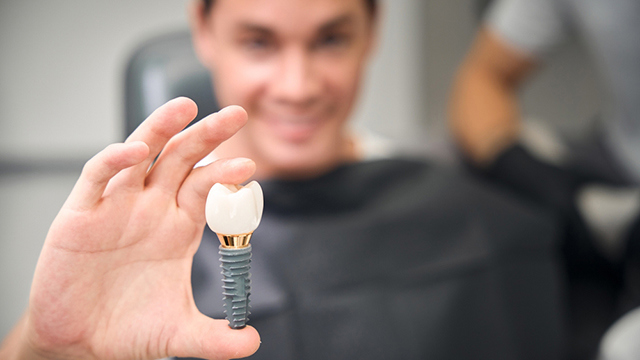
Standard Implants
A standard dental implant surgically embeds a titanium fixture into the jawbone to replace a missing tooth root, then secures a custom-fitted crown on top through an intermediate abutment.
Learn More
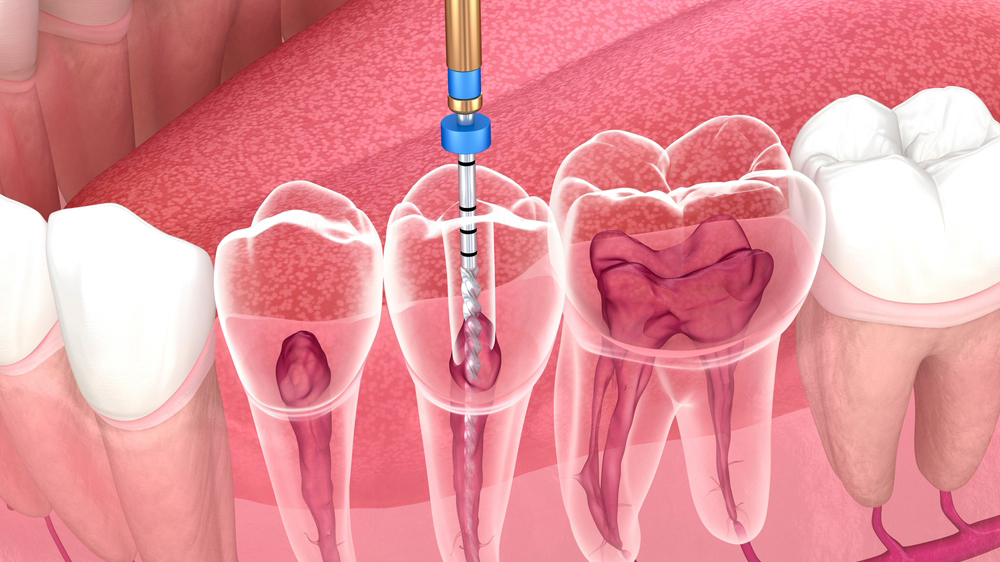
Single-Visit Root Canal Treatment
Single-visit root canal treatment is a procedure that removes infected or inflamed pulp tissue from inside a tooth and seals the resulting root canal system, completed within one appointment rather than staged across multiple visits.
Learn More
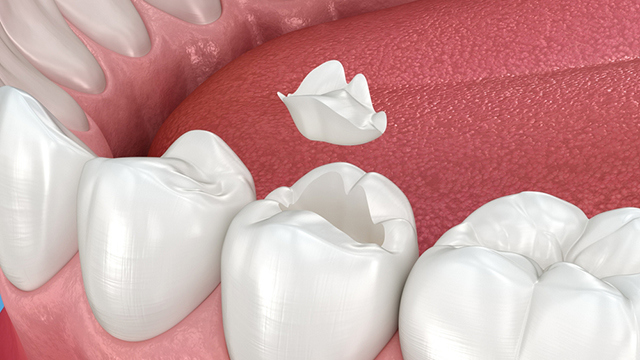
Inlay Restoration
An inlay restoration fits a custom-fabricated piece precisely within the central area between a tooth's cusps, repairing moderate decay or damage without covering the cusps themselves or the whole tooth.
Learn More