Natural Tooth Preservation & Certified MINISH Dental Care in Magok, Seoul


Specialty Overview
Conservative Dentistry & Endodontics
Conservative dentistry and endodontics is the branch of dentistry focused on preserving a natural tooth through restorative treatment and by treating disease or infection inside the dental pulp and root canal system.
Schedule a ConsultationConservative Dentistry & Endodontics
Medically reviewed by Dr. Park Hyo Jin, Specialist in Conservative Dentistry / Director, Magok Pureunmaeum Dental Clinic, Seoul
Conservative dentistry and endodontics is the branch of dentistry focused on preserving a natural tooth through restorative treatment and by treating disease or infection inside the dental pulp and root canal system. For patients who have a cavity, a damaged tooth, or an infected nerve, root canal treatment Seoul patients search for is often the difference between keeping a natural tooth and losing it to extraction. At Magok Pureunmaeum Dental Clinic in Seoul, this specialty sits at the center of the clinic's founding philosophy: every treatment plan is designed with the mindset of treating one's own family, and extraction is considered only after every reasonable option for preserving the tooth has been evaluated.
Conservative dentistry is not a single procedure but a category that covers everything from a small cavity filled with tooth-colored resin to a full root canal treatment on an infected tooth, along with the preventive care that keeps healthy teeth from needing either. What ties these services together is the goal stated plainly in the name: conserve the tooth that is already there rather than replace it.
For an international patient researching an endodontist Seoul clinics can offer, the practical question is usually not just whether a procedure exists, but whether the clinic treats tooth preservation as the default plan rather than a secondary option offered after extraction has already been recommended. That distinction shapes how a dental team approaches even routine decisions — how much natural structure to remove during a cavity preparation, whether a root canal is attempted before a tooth is written off, and how a treatment plan is sequenced so that reversible steps come before irreversible ones.
What Is Conservative Dentistry & Endodontics?
Conservative dentistry and endodontics is dental care aimed at preserving natural tooth structure through restorative treatment while diagnosing and treating disease or infection of the dental pulp and root canal system. It spans two closely related disciplines that are frequently practiced together in the same clinical visit.
- Conservative dentistry (also called operative or restorative dentistry) manages dental decay and structural tooth damage by removing the diseased portion of a tooth and rebuilding it, most commonly with tooth-colored composite resin.
- Endodontics is the treatment of the soft tissue inside a tooth — the pulp, which contains nerves, blood vessels, and connective tissue — when that tissue becomes inflamed or infected.
- Both disciplines share a single underlying purpose: to preserve the natural tooth as an alternative to extraction wherever the tooth's condition allows it.
- Diagnosis in this specialty typically involves a clinical examination together with dental imaging to determine how far decay or infection has progressed and which tooth structures remain healthy.
- Treatment is generally organized into a defined sequence — examination, diagnosis, removal or treatment of the diseased area, restoration of the tooth, and follow-up when required — rather than a single undifferentiated appointment.
This sequencing matters clinically because each step depends on the accuracy of the one before it. A diagnosis based on an incomplete picture of the tooth can lead to either overtreatment — removing more structure than the disease actually requires — or undertreatment, where diseased tissue is left behind and the problem recurs. That is one reason dental imaging is typically used before, rather than only during, a conservative dentistry or endodontic procedure: it lets the dentist see the extent of decay or infection in three dimensions before deciding how much of the tooth needs to be treated.
Who Performs Conservative Dentistry & Endodontics at Magok Pureunmaeum Dental Clinic
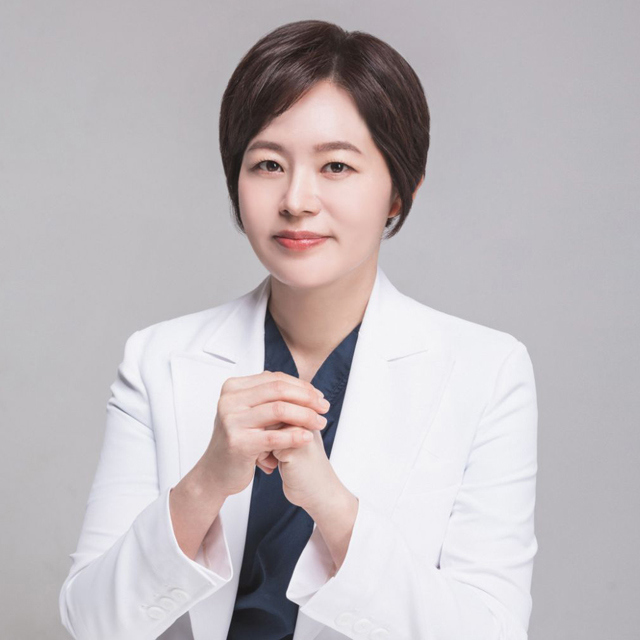
Dr. Park Hyo Jin
Specialist in Conservative Dentistry
Conservative dentistry and endodontic treatment at Magok Pureunmaeum Dental Clinic is led by Dr. Park Hyo Jin, Specialist in Conservative Dentistry and Director of the clinic, who has more than 22 years of clinical experience concentrated in this field. Dr. Park holds a Master's Degree in Dentistry from Wonkwang University Graduate School and completed a dedicated internship and residency in Conservative Dentistry, the formal training pathway that produces specialists in restorative and endodontic care rather than general practitioners who treat it as one service among many. That residency-level training is directly relevant to root canal treatment and cavity restoration, since both procedures depend on precise, tooth-by-tooth judgment about how much structure can be saved and how the remaining tooth should be sealed and restored.
Dr. Park is a full member of the Korean Academy of Conservative Dentistry, the Korean Academy of Endodontics, the Korean Academy of Esthetic Dentistry, and the Minish Biomimetic Dentistry Society, and holds certification as a Minish Provider. Across more than two decades of practice, this combination of specialty residency training and ongoing membership in the professional bodies that govern conservative dentistry and endodontics in Korea underpins the clinic's tooth-preservation-first approach for every patient who is examined for a cavity, a damaged tooth, or a suspected pulp infection.
Membership in the Korean Academy of Esthetic Dentistry and certification as a Minish Provider are notable specifically because they extend Dr. Park's scope beyond function alone. A restored or root-canal-treated tooth that is structurally sound but visibly different from its neighbors is only a partial success for many patients, particularly those who are treating a front tooth or a tooth that shows when they smile. Training in esthetic dentistry alongside conservative dentistry and endodontics means restoration decisions at this clinic are made with both the mechanical performance of the tooth and its final appearance in view from the start of treatment, rather than as an afterthought once the functional work is finished.
Conservative Dentistry & Endodontics: Treatment Options at This Clinic
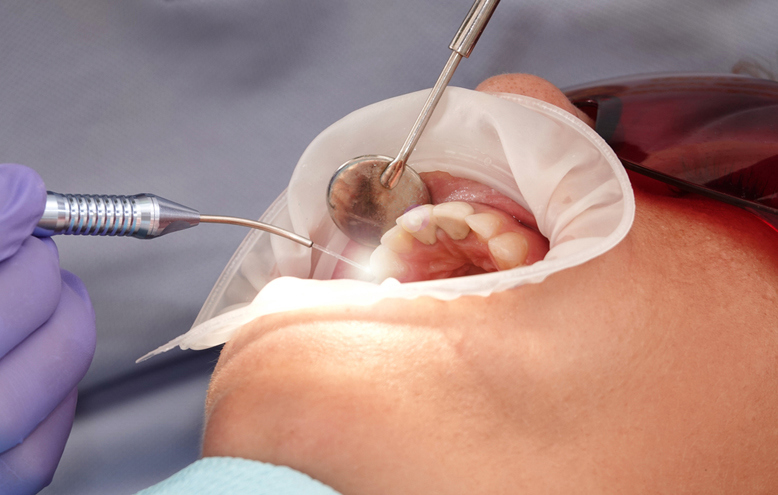
Magok Pureunmaeum Dental Clinic organizes its conservative dentistry and endodontic care into three service lines, each addressing a different stage of tooth health:
- Cavity Treatment (Resin Restoration) — removal of decayed tooth structure and restoration of the cavity with tooth-colored composite resin, for teeth where decay can be appropriately treated without a root canal.
- Single-Visit Root Canal Treatment — removal of infected or inflamed pulp, cleaning and sealing of the root canal system, completed in one visit when the tooth's condition allows it.
- General Preventive Care — professional cleaning, oral examination, and fluoride application intended to reduce the risk of future decay and the need for restorative or endodontic treatment.
Who Is a Good Candidate for Conservative Dentistry & Endodontics?
- Patients with dental decay, damaged teeth, or conditions affecting the pulp or root canal system, confirmed through examination.
- Patients who wish to preserve a natural tooth and address a dental problem without immediately choosing extraction.
- Patients whose tooth condition is assessed by the dentist, sometimes with the aid of dental imaging, to determine whether restorative or endodontic treatment is appropriate.
- Patients for whom a dental exam and appropriate diagnostic assessment has been completed, as this is generally required before treatment begins.
- Patients seeking dental care as international visitors, who can be examined and treated using the same diagnostic and treatment sequence used for local patients.
Final candidacy for any specific treatment — cavity restoration, root canal, or preventive care — is confirmed only after an in-person or imaging-supported examination at the clinic, since the appropriate approach depends on the individual condition of the tooth. Patients who are unsure which category their situation falls into — for example, someone who has tooth sensitivity but does not know whether it stems from a cavity, a cracked filling, or pulp involvement — do not need to self-diagnose before booking; sorting that out is precisely what the initial examination and imaging are for.
What to Expect: Procedure, Recovery, and Results Timeline
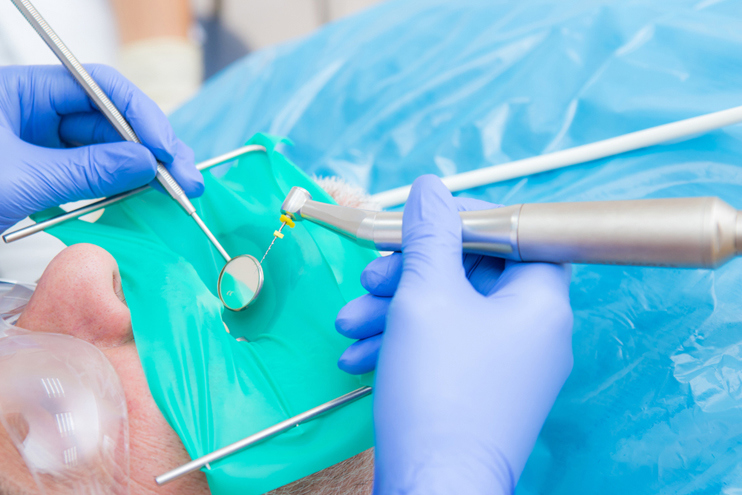
Conservative dentistry and endodontic treatment at Magok Pureunmaeum Dental Clinic generally follows the same sequence regardless of which specific service is being provided, adapted to the condition being treated.
- The dentist examines the tooth and may use dental imaging to assess the extent of decay, damage, or pulp involvement.
- A diagnosis is made, and the dentist and patient discuss which treatment — restorative filling, root canal, or another approach — matches the tooth's condition.
- The diseased area of the tooth, whether decayed structure or infected pulp tissue, is removed.
- Local anesthesia is commonly used during this stage when it is required for patient comfort.
- The tooth is restored, using tooth-colored resin for a cavity or a filling and seal for a treated root canal.
- Follow-up is scheduled when required, to confirm healing and the stability of the restoration.
Stage | What happens | Typical timing |
|---|---|---|
Examination and diagnosis | Clinical exam, dental imaging as needed | Initial visit |
Treatment | Removal of diseased tissue, anesthesia if needed | Same visit as diagnosis, in many cases |
Restoration | Tooth is rebuilt and sealed | Same visit, immediately following treatment |
Recovery | Sensitivity or discomfort may occur temporarily | Varies by treatment and tooth condition |
Follow-up | Scheduled when required | As advised by the dentist |
Because recovery and total treatment time vary according to the specific treatment performed and the condition of the tooth, the timeline above is a general framework rather than a fixed schedule for every patient; the dentist confirms the expected course during the consultation.
Some temporary sensitivity, mild discomfort, or tenderness in the treated area is a normal and expected part of recovery from conservative dentistry and endodontic treatment, and it is not by itself a sign that something has gone wrong. What distinguishes normal post-treatment sensitivity from a complication is generally duration and direction: symptoms that gradually ease over a few days are consistent with expected healing, while symptoms that worsen, persist beyond the timeframe the dentist described, or are accompanied by swelling warrant a follow-up visit rather than waiting them out. Because recurrent infection and treatment failure are recognized possibilities with any restorative or endodontic procedure, the follow-up visit built into the treatment sequence exists specifically to catch these situations early, when they are easier to address.
Combining Conservative Dentistry & Endodontics with Other Treatments
Conservative dentistry and endodontic treatment often connects with other dental needs rather than standing alone, and Magok Pureunmaeum Dental Clinic offers several related specialties that can be combined with a conservative dentistry treatment plan when appropriate:
- Aesthetic Dentistry, for patients whose restored tooth also has cosmetic considerations after a filling or root canal.
- Prosthetic Restoration, for teeth where damage is extensive enough that a crown or other prosthetic solution is considered alongside or instead of a direct filling.
- Periodontics, for patients whose gum health needs to be evaluated or treated alongside restorative or endodontic work, since gum condition and tooth-preservation outcomes are closely linked.
A patient being evaluated for a cavity or a root canal at this clinic may therefore be referred internally for an aesthetic, prosthetic, or periodontal consultation as part of a single, coordinated treatment plan, without needing to seek that related care elsewhere.
Safety, Precision, and Clinic Standards
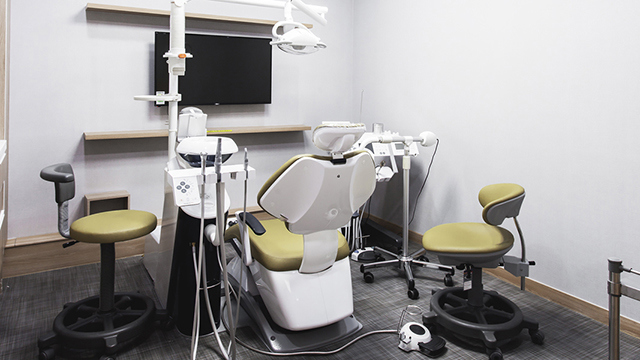
Magok Pureunmaeum Dental Clinic uses 3D CT imaging and digital diagnostic systems clinic-wide, which supports more precise diagnosis of decay, tooth structure, and root canal anatomy before treatment decisions are made. The clinic is a Registered Medical Institution for Attracting Foreign Patients, certified by Korea's Ministry of Health and Welfare under the Medical Overseas Expansion and Foreign Patients Attraction Act, a designation that reflects government-recognized standards for treating international patients. The clinic was established in 2017 and has operated under a stated natural-tooth-preservation philosophy since opening, built around the idea of treating every patient with the mindset of treating one's own family and avoiding overtreatment.
Beyond the clinic's own standards, the same tooth-preservation principle is reflected in guidance from recognized dental authorities. The American Association of Endodontists notes that with proper care, most teeth that have had root canal treatment can last a lifetime, and that saving the natural tooth preserves efficient chewing, normal biting force and sensation, natural appearance, and protection for other teeth against excessive wear or strain. That is the same clinical rationale behind this clinic's preference for restorative and endodontic treatment over extraction whenever a tooth's condition allows it.
Precision in diagnosis matters just as much in conservative dentistry as it does in endodontics, because both disciplines involve decisions that are difficult to reverse once tooth structure has been removed. Digital diagnostic systems and 3D CT imaging give the dentist a more complete view of a tooth's internal anatomy — the depth of a cavity, the number and shape of root canals, the proximity of a nerve — before an irreversible step is taken. For an international patient who may not have the option of an easy follow-up visit once they return home, that upfront precision is one of the more consequential aspects of clinic standards, since it reduces the likelihood that a second procedure will be needed to correct something the first one missed.
The Bottom Line
- Conservative dentistry and endodontics preserves natural teeth through restorative treatment and treatment of pulp or root canal infection, rather than defaulting to extraction.
- At Magok Pureunmaeum Dental Clinic, this specialty is led by Dr. Park Hyo Jin, a Conservative Dentistry specialist with 22+ years of experience and residency-level training in the field.
- The clinic offers three coordinated service lines: cavity treatment with resin restoration, single-visit root canal treatment, and general preventive care.
- Candidacy for any specific treatment is determined through an in-person examination, often supported by 3D CT imaging and digital diagnostics.
- Extraction is considered only after preservation-focused restorative and endodontic options have been evaluated for the individual tooth.
Frequently Asked Questions
What is the difference between conservative dentistry and endodontics? Conservative dentistry generally refers to restorative treatment of decayed or damaged tooth structure, most often with tooth-colored resin fillings. Endodontics specifically treats disease or infection inside the tooth's pulp, most commonly through root canal treatment. Both are aimed at preserving the natural tooth, and a single dentist can practice both, as Dr. Park does at this clinic.
Will I need anesthesia for this type of treatment? Local anesthesia is commonly used for conservative dentistry and endodontic procedures when required for comfort. Whether it is needed, and how much, depends on the specific treatment and the condition of the tooth, and the dentist will discuss this during the examination.
How do I know whether my tooth can be saved or needs extraction? This is determined through a clinical examination, often supported by dental imaging, that assesses the extent of decay, damage, or infection. Alternatives such as restorative treatment, periodontal treatment, or extraction and replacement of a non-restorable tooth are considered based on that diagnosis, and this clinic's stated approach is to evaluate preservation options before recommending extraction.
Is treatment completed in a single visit? It depends on the specific treatment and the tooth's condition. Some conservative dentistry and endodontic procedures, including certain root canal cases, can be completed in one visit, while others may require a follow-up visit depending on how the tooth responds.
What happens after treatment is completed? Aftercare generally involves following the dentist's instructions on oral hygiene, eating, any prescribed medications, and attending a scheduled follow-up visit when one is recommended. These steps support healing and the long-term stability of the restoration.
Can international patients receive this treatment at the clinic? Yes. Magok Pureunmaeum Dental Clinic is a Registered Medical Institution for Attracting Foreign Patients, certified by Korea's Ministry of Health and Welfare, and international patients undergo the same examination, diagnosis, and treatment sequence as local patients.
How long will the results last? Longevity depends on the condition of the treated tooth, the quality and type of restoration, ongoing oral hygiene, and continued dental care. The dentist can give a more specific expectation once the tooth has been examined and treated.
What if my restoration or treated tooth develops a problem later? Possible issues such as temporary sensitivity, discomfort, recurrent infection, or treatment failure can occur depending on the treatment performed. Patients experiencing ongoing symptoms after treatment should contact the clinic so the tooth can be reassessed.
Book a Consultation at Magok Pureunmaeum Dental Clinic
To find out whether conservative dentistry and endodontics — including root canal treatment — is the right option for your tooth, schedule a consultation at Magok Pureunmaeum Dental Clinic in Seoul. The clinic is located on the 3rd Floor, Woosung SB Tower, 385 Gangseo-ro, Gangseo-gu, Seoul, near Exit 2 of Balsan Station, and is open Monday, Wednesday, Thursday, and Friday from 9:30 AM to 6:30 PM, Tuesday from 9:30 AM to 8:30 PM, and Saturday from 9:30 AM to 2:00 PM, with no lunch break; the clinic is closed Sundays and public holidays. To arrange an appointment, visit the clinic's contact page.
Disclaimer
This page is for general informational purposes and does not constitute individualized medical advice. Candidacy, technique, and expected outcomes can only be determined through a consultation with a qualified physician.
Sources & Further Reading
Related Services
Procedures offered across our dental departments.
Standard Implants
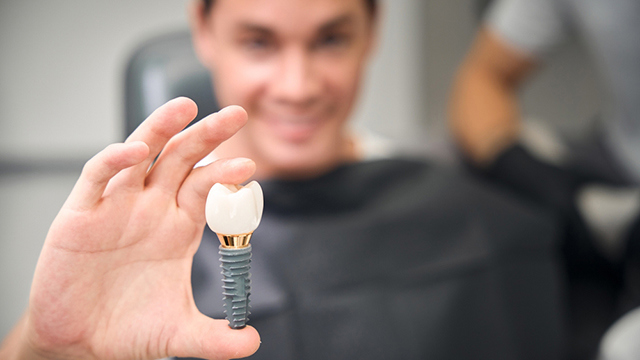
A standard dental implant surgically embeds a titanium fixture into the jawbone to replace a missing tooth root, then secures a custom-fitted crown on top through an intermediate abutment.
Learn More
Single-Visit Root Canal Treatment
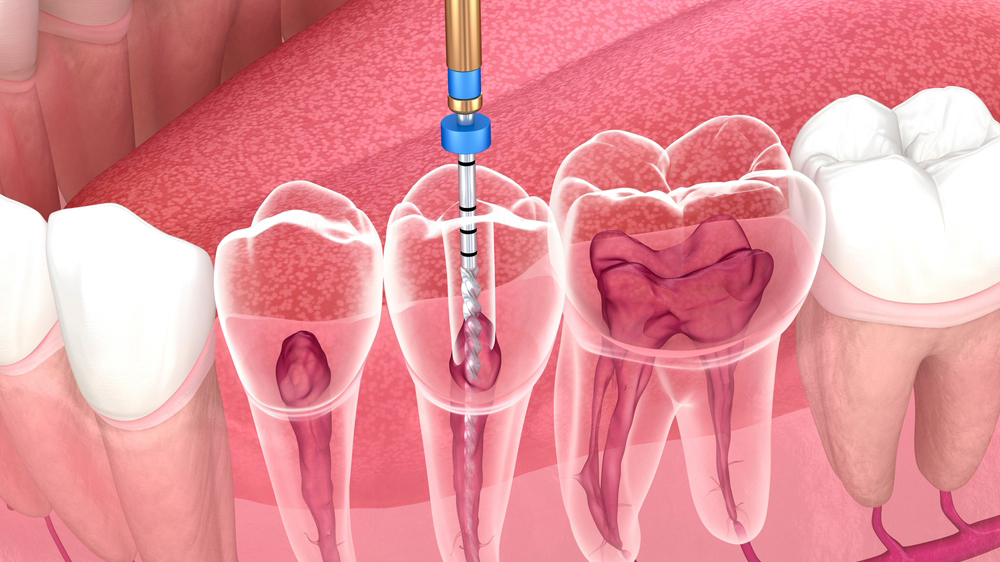
Single-visit root canal treatment is a procedure that removes infected or inflamed pulp tissue from inside a tooth and seals the resulting root canal system, completed within one appointment rather than staged across multiple visits.
Learn More
Inlay Restoration
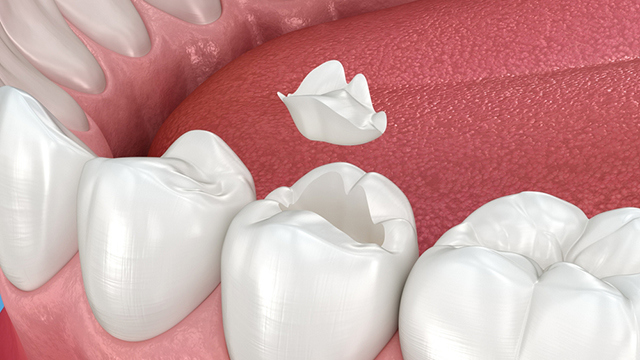
An inlay restoration fits a custom-fabricated piece precisely within the central area between a tooth's cusps, repairing moderate decay or damage without covering the cusps themselves or the whole tooth.
Learn More