Natural Tooth Preservation & Certified MINISH Dental Care in Magok, Seoul

Conservative Dentistry & Endodontics · Needs Clinic Confirmation
Cavity Treatment (Resin Restoration)
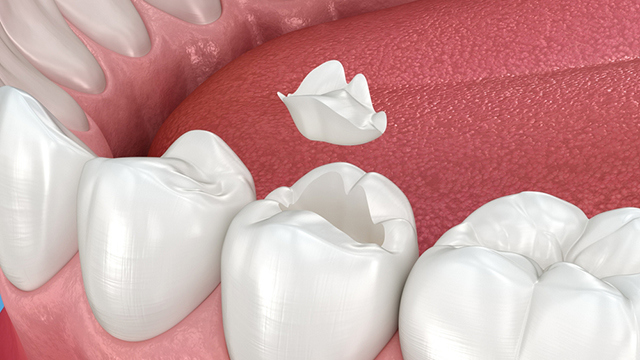
Cavity treatment with resin restoration removes decayed tooth structure and rebuilds the cavity with tooth-colored composite resin, restoring the tooth's structure, function, and appearance in the process.
Schedule a ConsultationCavity Treatment (Resin Restoration)
Medically reviewed by Dr. Park Hyo Jin, Specialist in Conservative Dentistry / Director, Magok Pureunmaeum Dental Clinic, Seoul
Cavity treatment with resin restoration removes decayed tooth structure and rebuilds the cavity with tooth-colored composite resin, restoring the tooth's structure, function, and appearance in the process. It is one of the most common procedures within conservative dentistry, and for patients researching cavity treatment Seoul options, it is usually the first line of defense against a small or moderate cavity before any more extensive restoration is considered. At Magok Pureunmaeum Dental Clinic, this treatment reflects the clinic's broader natural-tooth-preservation philosophy: a decayed tooth is treated by removing only the diseased portion and rebuilding what remains, rather than by replacing more of the tooth than the disease actually requires.
Composite resin has become the material of choice for this kind of restoration because it can be color-matched to the surrounding tooth and bonds directly to the remaining tooth structure, which is part of why international patients specifically search out resin filling Korea providers rather than accepting a visibly different-colored filling material.
A cavity that is caught early is typically far simpler to treat than one that has been allowed to progress. Left untreated, decay moves from the enamel into the dentin beneath it, and eventually can reach the pulp at the center of the tooth, at which point a resin filling is no longer sufficient and root canal treatment becomes necessary instead. Part of the value of straightforward, low-friction cavity treatment is that it interrupts this progression while the problem is still small, which is one reason dentists frequently recommend restoring a cavity as soon as it is diagnosed rather than waiting until it becomes symptomatic.
What Is Cavity Treatment (Resin Restoration)?
Cavity treatment with resin restoration is the removal of decayed tooth structure followed by rebuilding the resulting cavity with tooth-colored composite resin, in order to preserve as much of the natural tooth as possible while restoring its shape and function. The goal is a restoration that functions like the original tooth and blends in visually with the teeth around it.
- Composite resin is a tooth-colored restorative material that bonds adhesively to the remaining tooth structure, rather than simply being packed into a cavity.
- Because it bonds to the tooth, resin restoration typically requires removing less healthy tooth structure than some alternative filling materials.
- The material can be used on both front and back teeth, making it suitable for cavities in visible and non-visible locations alike.
- Placement is a same-visit procedure in the great majority of cases, from removal of decay through shaping and finishing of the restoration.
- No dental filling, including composite resin, lasts forever; longevity depends on the size of the restoration, the location of the tooth, and how it is cared for afterward.
Placing a composite resin restoration is technique-sensitive in a way that differs from older filling materials: because the bond depends on the tooth surface being kept clean and dry while the material is placed, the preparation and placement steps generally take longer than they would for a metal filling. That extra time during placement is part of what allows the material to bond directly to the tooth rather than simply sitting inside a mechanically retained cavity shape.
Who Performs Cavity Treatment at Magok Pureunmaeum Dental Clinic

Dr. Park Hyo-jin
Conservative Dentistry Expert
Cavity treatment and resin restoration at Magok Pureunmaeum Dental Clinic is performed by Dr. Park Hyo Jin, Specialist in Conservative Dentistry and Director of the clinic, who brings more than 22 years of clinical experience to this exact category of treatment. Dr. Park holds a Master's Degree in Dentistry from Wonkwang University Graduate School and completed a formal internship and residency in Conservative Dentistry, the training pathway specifically focused on restorative procedures like resin cavity treatment rather than general dental practice.
As a full member of the Korean Academy of Conservative Dentistry and the Korean Academy of Esthetic Dentistry, and a certified Minish Provider, Dr. Park approaches resin restoration with attention to both the mechanical durability of the filling and how closely it matches the surrounding tooth in color and shape. For a procedure like composite resin restoration, where the visual outcome is often as important to the patient as the functional one, this dual focus on conservative dentistry and esthetic dentistry training is directly relevant to the quality of the finished result.
Who Is a Good Candidate for Cavity Treatment (Resin Restoration)?
- Patients with cavities that are appropriately sized and located for restoration with tooth-colored composite resin, as determined by clinical examination.
- Patients who want a filling that blends with the natural color of their surrounding teeth rather than a visibly different material.
- Patients seeking treatment of dental decay that preserves as much natural tooth structure as possible.
- Patients whose extent of decay has been assessed by the dentist before a restoration approach is selected.
Not every cavity is suited to a resin restoration. Teeth with extensive structural damage may need a different type of restoration, such as an inlay, onlay, or crown, rather than a direct resin filling, and this is determined through clinical evaluation of the specific tooth. Patients traveling to Seoul specifically for dental care for international patients often want to know, before booking, whether their situation is likely to be a same-visit resin filling or something more involved; while a definitive answer requires an in-person or imaging-supported exam, the general rule is that the smaller and more contained the area of decay, the more likely a direct resin restoration is to be the appropriate option.
What to Expect: Procedure, Recovery, and Results Timeline
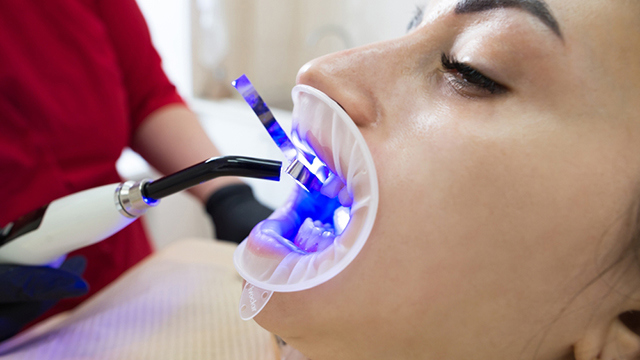
Cavity treatment with resin restoration follows a defined, same-visit sequence in most cases.
- The dentist examines the tooth and assesses the extent of decay before selecting a restoration approach.
- Local anesthesia may be used when necessary for patient comfort during removal of decay.
- The decayed tooth structure is removed.
- The prepared cavity area is cleaned and readied to receive the composite resin.
- The tooth-colored resin is placed into the cavity and shaped to match the tooth's natural contour.
- The resin is hardened, and the restoration is adjusted and polished to fit the patient's bite.
Stage | What happens | Typical timing |
|---|---|---|
Examination | Dentist assesses cavity size and location | Initial visit |
Anesthesia | Applied if needed for comfort | Before decay removal |
Decay removal and preparation | Diseased structure removed, area prepared | Same visit |
Resin placement and shaping | Composite resin placed, shaped, hardened, adjusted | Same visit |
Recovery | Function restored; some sensitivity may occur temporarily | Generally short |
Recovery from a resin restoration is generally short, though temporary sensitivity to hot, cold, or pressure can occur in the days following treatment as the tooth adjusts. This is a recognized and usually self-limiting part of the healing process, distinct from the kind of persistent or worsening pain that would warrant contacting the clinic. A dental exam is generally required before treatment to confirm the diagnosis, and regular dental exams afterward help catch any issues with the restoration — including wear, fracture, or marginal leakage where the seal between resin and tooth may weaken over time — before they progress into a larger problem such as recurrent decay underneath the filling.
Most patients can resume normal eating once any local anesthesia has fully worn off, generally within a few hours of the appointment. Because a freshly placed restoration is being adjusted to the patient's bite throughout the appointment, it should feel comfortable and evenly balanced against the opposing teeth by the time the patient leaves; a restoration that feels noticeably high or uneven when biting down is worth mentioning before leaving the clinic, since a small adjustment at that point is simple, whereas leaving an uneven bite in place can put unnecessary stress on the new filling over time.
Combining Cavity Treatment with Other Treatments
Resin cavity treatment is frequently one part of a broader dental visit rather than an isolated procedure, and Magok Pureunmaeum Dental Clinic offers several related specialties that can be combined with cavity treatment when appropriate:
- General Preventive Care, including professional cleaning and fluoride application, often recommended alongside or following cavity treatment to reduce the risk of new decay.
- Aesthetic Dentistry, for patients who want their resin restoration considered as part of a broader cosmetic treatment plan for a visible tooth.
- Prosthetic Restoration, for teeth where decay is found to be too extensive for a direct resin filling and an inlay, onlay, or crown is a better fit.
- Periodontics, when gum health around the treated tooth also needs evaluation, since gum condition affects the long-term success of a restoration near the gumline.
Safety, Precision, and Clinic Standards
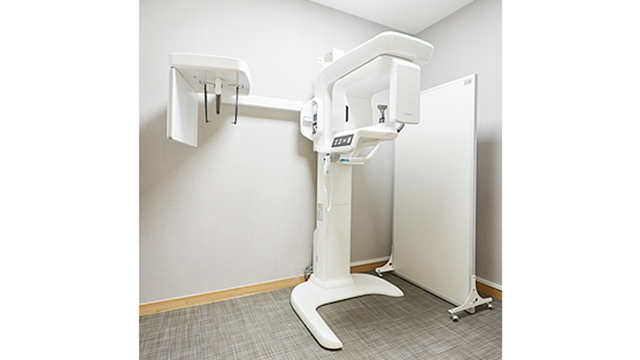
Magok Pureunmaeum Dental Clinic uses 3D CT imaging and digital diagnostic systems clinic-wide, allowing the extent and depth of a cavity to be assessed with greater precision before treatment begins, which is particularly relevant for cavities between teeth or beneath existing dental work that are not easily visible during a purely visual exam. The clinic is a Registered Medical Institution for Attracting Foreign Patients, certified by Korea's Ministry of Health and Welfare under the Medical Overseas Expansion and Foreign Patients Attraction Act, reflecting a government-recognized standard for the care of international patients.
The American Dental Association's patient resource MouthHealthy notes that composite resins, or tooth-colored fillings, provide good durability and resistance to fracture in small- to mid-size fillings that need to withstand the constant stress of chewing, and that an advantage of composite fillings is that they require less removal of healthy tooth structure to hold the filling in place because the material bonds adhesively to the tooth. That bonding property is central to why resin restoration is considered a conservative option: it lets the dentist remove disease without sacrificing more of the tooth than necessary to secure the filling.
The Bottom Line
- Cavity treatment with resin restoration removes decayed tooth structure and rebuilds the tooth with tooth-colored composite resin in a single visit in most cases.
- At Magok Pureunmaeum Dental Clinic, this treatment is performed by Dr. Park Hyo Jin, a Conservative Dentistry specialist with 22+ years of experience and esthetic dentistry training.
- Good candidates are patients with cavities that can be appropriately restored with composite resin; more extensive damage may require a different restoration.
- Recovery is generally short, though temporary sensitivity can occur; regular dental exams help monitor the restoration's condition.
- Longevity varies by tooth condition, bite forces, oral hygiene, and the size of the restoration.
Frequently Asked Questions
How is cavity treatment with resin different from an older-style filling? Composite resin is tooth-colored and bonds adhesively to the remaining tooth structure, which generally means less healthy tooth needs to be removed to hold the filling in place compared with some other filling materials. It can also be shaped and polished to closely match the surrounding tooth.
Is the procedure painful? Local anesthesia may be used when necessary, and most patients experience the procedure similarly to a routine dental visit. Some temporary sensitivity in the treated tooth afterward is common and generally resolves within a short period.
How long does the appointment take? Cavity treatment with resin restoration is generally completed in a single visit, though the exact time depends on the size and location of the cavity. The dentist can give a more specific estimate after examining the tooth.
Will the filling look natural? Composite resin is selected and shaded to match the surrounding tooth, and it can be shaped to follow the tooth's natural contour. Dr. Park's training in esthetic dentistry is specifically relevant to achieving a restoration that blends in visually.
What if my cavity is too large for a resin filling? Teeth with more extensive structural damage may need a different type of restoration, such as an inlay, onlay, or crown, rather than a direct resin filling. This is determined through clinical evaluation, and the clinic offers prosthetic restoration options for cases like this.
How long will the restoration last? Longevity varies according to the condition of the tooth, the size of the restoration, bite forces, and ongoing oral hygiene. Regular dental exams help identify wear or damage to the restoration before it leads to a larger problem.
Do I need anything special done before the appointment? A dental exam is generally required before treatment so the dentist can assess the extent of decay and confirm that a resin restoration is the appropriate approach for the specific tooth.
Book a Consultation at Magok Pureunmaeum Dental Clinic

To have a cavity examined and treated with resin restoration, schedule a consultation at Magok Pureunmaeum Dental Clinic in Seoul. The clinic is located on the 3rd Floor, Woosung SB Tower, 385 Gangseo-ro, Gangseo-gu, Seoul, near Exit 2 of Balsan Station, and is open Monday, Wednesday, Thursday, and Friday from 9:30 AM to 6:30 PM, Tuesday from 9:30 AM to 8:30 PM, and Saturday from 9:30 AM to 2:00 PM, with no lunch break; the clinic is closed Sundays and public holidays. To arrange an appointment, visit the clinic's contact page.
Disclaimer
This page is for general informational purposes and does not constitute individualized medical advice. Candidacy, technique, and expected outcomes can only be determined through a consultation with a qualified physician.
Sources & Further Reading
Other Dental Services
Explore additional tooth-preserving and restorative procedures.

Standard Implants
A standard dental implant surgically embeds a titanium fixture into the jawbone to replace a missing tooth root, then secures a custom-fitted crown on top through an intermediate abutment.
Learn More
Single-Visit Root Canal Treatment
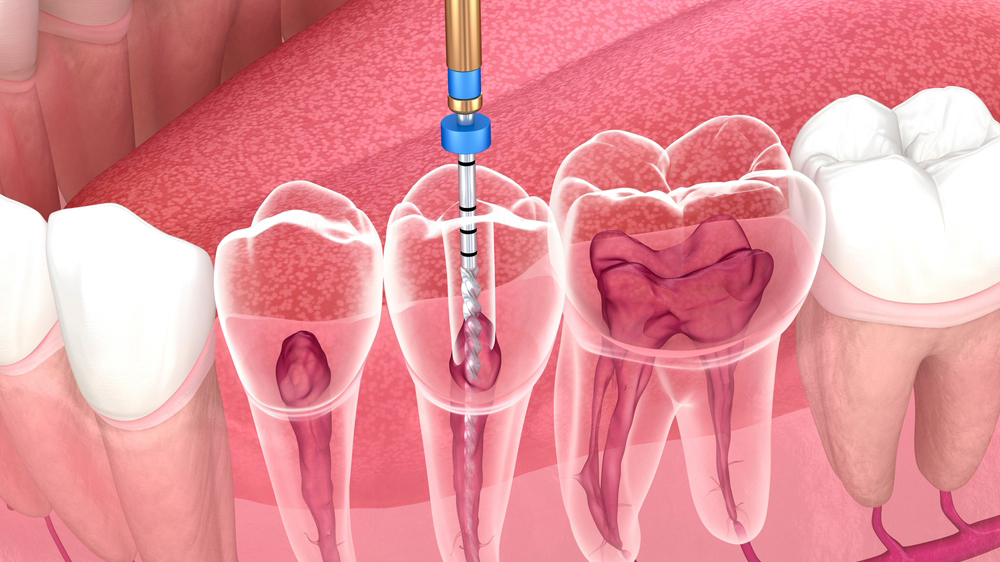
Single-visit root canal treatment is a procedure that removes infected or inflamed pulp tissue from inside a tooth and seals the resulting root canal system, completed within one appointment rather than staged across multiple visits.
Learn More
Inlay Restoration
An inlay restoration fits a custom-fabricated piece precisely within the central area between a tooth's cusps, repairing moderate decay or damage without covering the cusps themselves or the whole tooth.
Learn More